
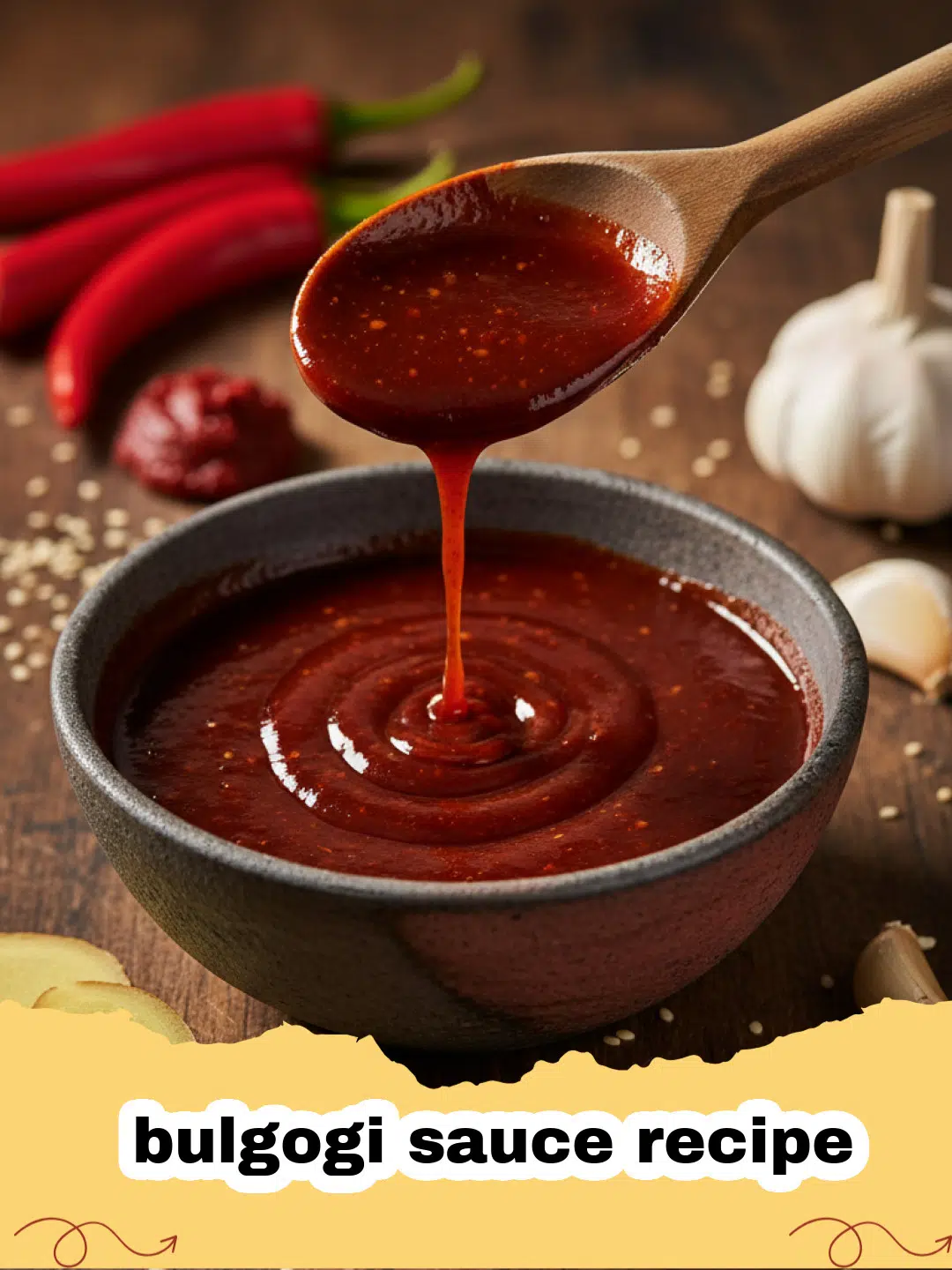
Mastering the perfect bulgogi sauce recipe is like unlocking a secret gateway to the soul of Korean cuisine. Years ago, while wandering through the neon-lit streets of Seoul, I stumbled into a tiny, smoke-filled restaurant where the air smelled of caramelizing sugar and toasted sesame. I watched in awe as the chef massaged a rich, dark marinade into paper-thin slices of ribeye. When that meat hit the scorching grill, the aroma was intoxicating. Since that night, I have spent countless hours in my own kitchen perfecting this bulgogi sauce recipe to recreate that exact balance of sweet, salty, and savory. It is more than just a marinade; it is a labor of love that transforms humble ingredients into a five-star dining experience. Whether you are hosting a festive BBQ or simply craving a comforting weeknight meal, this sauce is the magic touch you have been looking for.
Why This Recipe is a Must-Try
- Authentic Flavor Profile: This bulgogi sauce recipe captures the traditional balance of umami and sweetness that defines high-quality Korean BBQ.
- Natural Meat Tenderization: By using fresh Asian pear, this recipe utilizes natural enzymes (calpain) to break down tough muscle fibers for a melt-in-your-mouth texture.
- Versatility Beyond Beef: While designed for ribeye, this sauce works beautifully on chicken, pork, tofu, and even roasted vegetables.
- Preservative-Free: Unlike store-bought jars, this homemade bulgogi sauce recipe contains no high-fructose corn syrup or artificial stabilizers, just pure, wholesome ingredients.
Key Ingredient Notes
The Power of the Asian Pear
In any authentic bulgogi sauce recipe, the Asian pear (Bae) is the undisputed star. Unlike western pears, which are soft and grainy, Asian pears are crisp, juicy, and incredibly sweet. They contain a specific enzyme that acts as a natural tenderizer for meat. If you cannot find an Asian pear at your local market, a Bosc pear or even a sweet Fuji apple can serve as a substitute, though the texture and enzyme activity may vary slightly. Grating the pear into a fine pulp ensures it distributes evenly throughout the marinade, providing moisture and a subtle floral sweetness that sugar alone cannot replicate.
Toasted Sesame Oil and Soy Sauce
The foundation of a robust bulgogi sauce recipe lies in the quality of your soy sauce and sesame oil. I recommend using a high-quality, naturally brewed soy sauce for the best depth of flavor. The toasted sesame oil provides that signature nutty aroma that is synonymous with Korean cooking. Remember that sesame oil has a low smoke point, so it is primarily for flavor rather than frying. For those who enjoy exploring different flavor profiles, you might also enjoy comparing this to the complexity found in my The Ultimate Easy Thai Peanut Sauce Recipe for Every Occasion, which uses similar nutty notes but in a completely different culinary context.

Step-by-Step Guide with Pro Tips
Creating a world-class bulgogi sauce recipe requires attention to detail. Start by finely grating your ginger and garlic. These aromatics provide the sharp contrast needed to balance the sweet pear and brown sugar. If you prefer a smoother sauce, you can toss all the liquid ingredients and the pear into a high-powered blender, but traditionally, the small bits of grated ingredients add a pleasant texture to the finished dish.
Once the base is mixed, it is time to consider your protein. When using this bulgogi sauce recipe for beef, always slice the meat across the grain. This ensures the fibers are short and easy to chew. For the best results, marinate your protein for at least 4 hours, though overnight is ideal. This gives the pear enzymes enough time to work their magic. If you are preparing a large batch for a party, you can store the extra marinade in Basics Glass Food Storage containers to keep it fresh and prevent any odors from leaking into your refrigerator.
Pro Tip: When cooking meat marinated in this bulgogi sauce recipe, use a very hot cast-iron skillet or a charcoal grill. The goal is to achieve a quick sear that caramelizes the sugars in the sauce without overcooking the meat inside. This "char" is what provides the deep smoky flavor that makes Korean BBQ so addictive. If you enjoy dipping sauces as much as I do, try serving your grilled meats alongside The Ultimate 5-Minute Dumpling Sauce Recipe for Perfect Potstickers for an extra layer of zing.
Variations & Serving Suggestions
While the classic bulgogi sauce recipe is mild, many people enjoy a spicy kick. You can easily adapt this recipe by adding 1-2 tablespoons of Gochujang (Korean chili paste) or a teaspoon of red pepper flakes (Gochugaru). This adds a fermented depth and a lingering heat that pairs perfectly with the sweetness of the pear. Another variation involves adding a splash of mirin or rice wine to the bulgogi sauce recipe to help eliminate any gamey smells from certain cuts of meat.
When it comes to serving, the traditional way is a "Ssam" (wrap). Take a large, fresh lettuce leaf, add a spoonful of rice, a piece of meat glazed in the bulgogi sauce recipe, and a dollop of Ssamjang (savory soybean paste). Top it with a slice of raw garlic or a pickled radish for the perfect bite. Alternatively, you can use the sauce as a base for a stir-fry, tossing in bok choy, carrots, and onions for a quick and healthy dinner.
Nutrition Information
Understanding the nutritional profile of your meal is important. Below is the breakdown for one serving of this bulgogi sauce recipe (approx. 2 tablespoons).
| Nutrient | Amount |
|---|---|
| Calories | 115 kcal |
| Total Fat | 4g |
| Saturated Fat | 0.5g |
| Cholesterol | 0mg |
| Sodium | 820mg |
| Total Carbohydrates | 18g |
| Dietary Fiber | 1g |
| Sugars | 14g |
| Protein | 2g |
Conclusion
Developing your own homemade bulgogi sauce recipe is a rewarding journey that brings the vibrant flavors of Korea right into your kitchen. By using fresh ingredients and allowing the meat time to tenderize, you create a dish that is far superior to anything found in a pre-packaged bottle. I hope this recipe becomes a staple in your home, bringing family and friends together over a shared love of great food. Happy cooking!
FAQs
Can I substitute the Asian pear in this bulgogi sauce recipe?
Yes, if you can't find an Asian pear, the best substitute is a sweet, crisp apple like Fuji or Gala. A Bosc pear also works well for its sweetness and texture.


How long can I store this homemade bulgogi sauce?
You can store this bulgogi sauce recipe in an airtight container in the refrigerator for up to 7 days. For longer storage, you can freeze it for up to 3 months.
Is this bulgogi sauce recipe gluten-free?
The recipe as written uses standard soy sauce, which contains wheat. To make it gluten-free, simply replace the soy sauce with Tamari or liquid aminos.
Can I use this sauce for vegetables?
Absolutely! It makes an incredible glaze for mushrooms, eggplant, or broccoli. Just brush it on during the last few minutes of grilling or roasting.

Authentic Korean Bulgogi Sauce
- Total Time: PT15M
- Yield: 1.5 cups 1x
Description
A traditional, sweet and savory bulgogi sauce recipe featuring fresh Asian pear, ginger, and garlic for the perfect Korean BBQ experience.
Ingredients
1/2 cup soy sauce (naturally brewed)
1/3 cup brown sugar (packed)
1/2 Asian pear, finely grated
2 tablespoons toasted sesame oil
3 cloves garlic, minced
1 teaspoon fresh ginger, grated
2 green onions, finely chopped
1/4 teaspoon black pepper
1 tablespoon toasted sesame seeds
Instructions
Step 1: Peel the Asian pear and grate it using a fine grater until you have about 1/2 cup of pulp and juice.
Step 2: In a medium mixing bowl, combine the soy sauce and brown sugar. Whisk until the sugar is mostly dissolved.
Step 3: Add the grated Asian pear, minced garlic, grated ginger, and toasted sesame oil to the soy sauce mixture.
Step 4: Stir in the finely chopped green onions, black pepper, and toasted sesame seeds.
Step 5: Mix thoroughly until all ingredients are well-combined. Your bulgogi sauce recipe is now ready to use as a marinade or a dipping sauce.
Step 6: If marinating meat, pour the sauce over thin slices of beef and refrigerate for at least 4 hours.
Notes
For best results, use within 7 days. If you cannot find Asian pear, use a sweet apple like Fuji or Gala.
- Prep Time: PT15M
- Cook Time: PT0M
- Category: Sauces Dressings & Condiments
- Cuisine: Korean
Nutrition
- Serving Size: 2 tablespoons
- Calories: 115 kcal
- Sugar: 14g
- Sodium: 820mg
- Fat: 4g
- Saturated Fat: 0.5g
- Unsaturated Fat: 3.5g
- Trans Fat: 0g
- Carbohydrates: 18g
- Fiber: 1g
- Protein: 2g
- Cholesterol: 0mg



Leave a Reply