
Introduction to Low-Carb Comfort
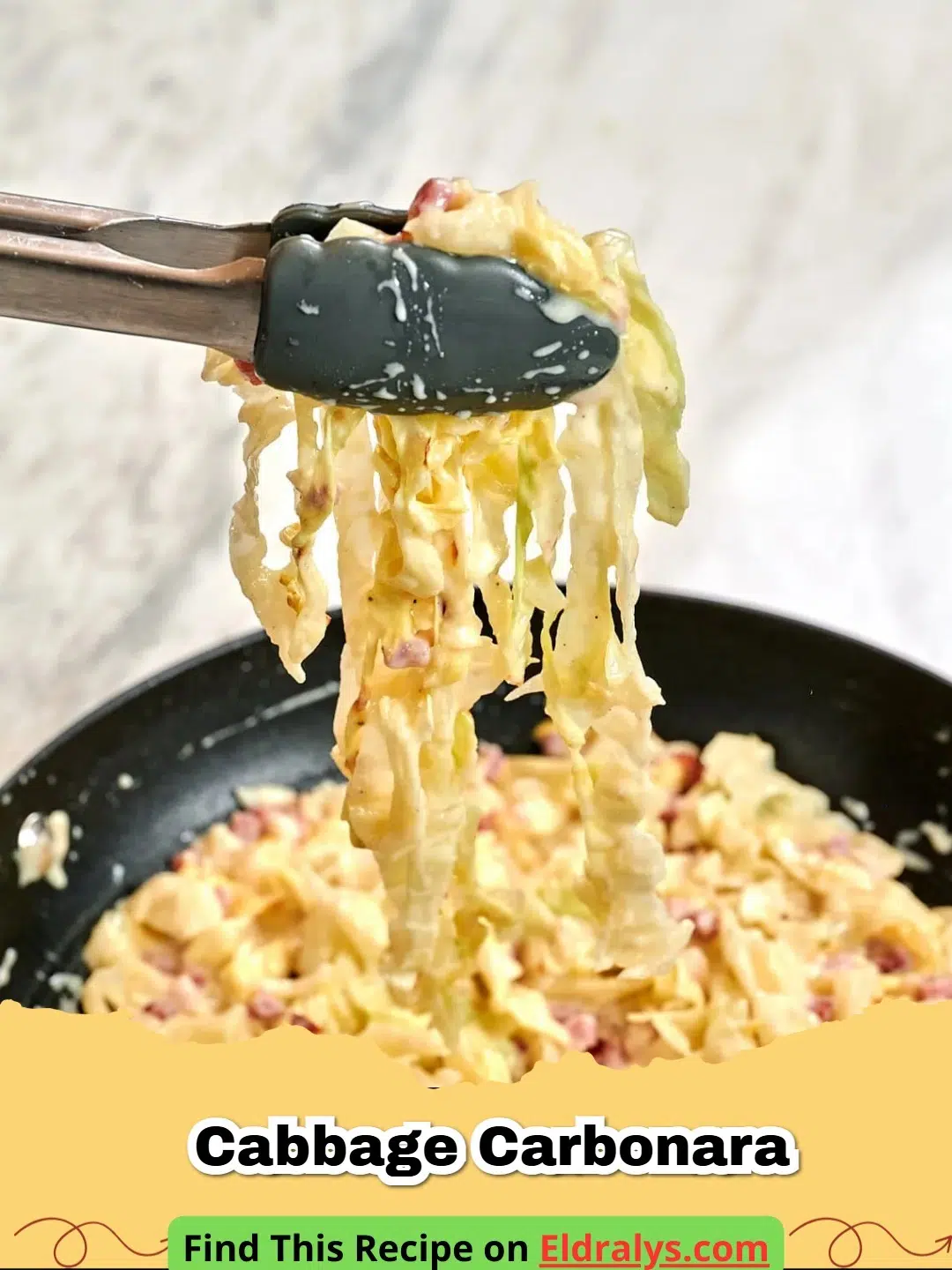
Cabbage Carbonara is a revolutionary way to enjoy the velvety richness of a classic Roman dish while significantly reducing your carbohydrate intake. This dish honors the timeless marriage of eggs, cheese, and cured pork, but replaces traditional grain-based noodles with tender ribbons of green cabbage. For those following a ketogenic lifestyle or simply looking to increase their vegetable consumption, this meal offers a satisfying texture and deep, savory flavors that rival any trattoria in Rome. The cabbage, when sautéed correctly, loses its bitter edge and adopts a mild sweetness that acts as the perfect canvas for the sharp Pecorino Romano and the smoky fat of the bacon or guanciale. In this guide, we will explore the techniques needed to master this modern twist on a culinary staple, ensuring every forkful is as luscious as the original. Whether you are a seasoned home cook or a beginner, this Cabbage Carbonara will quickly become a favorite in your weekly rotation.
The Fascinating Origins of Carbonara
Before diving into the mechanics of our veggie-forward version, it is essential to understand where the inspiration comes from. Italian Food History suggests that Carbonara originated in the mid-20th century. While some attribute its name to the carbonari (charcoal burners), others believe it rose to fame during the liberation of Rome in 1944. During that time, American troops brought bacon and powdered eggs to Italy, which local cooks combined with pasta and cheese to create a meal that felt both familiar and exciting. This spirit of adaptation is exactly what we are channeling today by utilizing cabbage. Just as post-war cooks used what was available, we are using the nutrient-dense cabbage to create a healthier alternative. The transition from pasta to cabbage is part of a broader trend where classic dishes are re-imagined for modern dietary needs without sacrificing the soul of the recipe.
Why You’ll Love Cabbage Carbonara
You will absolutely adore this recipe because it provides all the creamy, salty indulgence of a high-calorie pasta dish with a fraction of the guilt. The cabbage ribbons offer a delightful crunch that softens into a silkiness reminiscent of al dente noodles. It is incredibly quick to prepare, making it a perfect weeknight dinner for busy families. Unlike traditional pasta, this version doesn't leave you feeling sluggish after eating, thanks to the high fiber content of the vegetables. Furthermore, it is naturally gluten-free and keto-friendly, allowing it to fit into almost any meal plan. The combination of black pepper, egg yolks, and salty cheese creates a sophisticated flavor profile that tastes much more expensive than its humble ingredients suggest. Truly, Cabbage Carbonara is a masterclass in culinary efficiency and health-conscious cooking.
The Philosophy of Vegetable-Based Substitutions
Replacing pasta with vegetables is more than just a diet trick; it is a way to celebrate the versatility of garden produce. When we think of Cabbage Carbonara, we are looking for a vegetable that can withstand high heat without turning into mush. Cabbage is superior to zucchini noodles in this regard because it retains a structural integrity that captures the sauce perfectly. This philosophy of 'veggie-first' cooking allows us to reclaim dishes that were previously off-limits for those with gluten sensitivities or insulin concerns. By focusing on the flavor compounds of the sauce—the fat from the pork and the proteins from the egg—we prove that the starch is merely a vessel, not the star of the show. This approach encourages a deeper appreciation for the textures and natural sugars found within the brassica family.
Selecting the Perfect Cabbage
Not all cabbages are created equal when it comes to making a successful Cabbage Carbonara. For this recipe, green cabbage or Savoy cabbage is highly recommended. Green cabbage is dense and provides a hearty bite that stands up well to the heavy sauce. Savoy cabbage, with its crinkled leaves, offers a lighter, more delicate texture that is excellent at trapping every drop of the egg and cheese mixture. You want to look for a head that feels heavy for its size with tightly packed leaves. Avoid any heads that have brown spots or withered outer layers. When prepping, the goal is to cut the cabbage into long, thin strips that resemble tagliatelle or fettuccine. This visual similarity helps satisfy the psychological craving for pasta while providing a nutrient boost that includes vitamins K and C, as well as essential minerals.
Ingredients for Cabbage Carbonara
The beauty of this dish lies in the quality of its components. You only need a few items, so choose the best available to you. To start, you will need a large head of green cabbage, sliced into ribbons. For the protein, guanciale is the traditional choice, but thick-cut bacon or pancetta works beautifully for a smokier finish. The sauce is formed by a combination of large egg yolks and whole eggs, whisked together with freshly grated Pecorino Romano or Parmesan. Plenty of cracked black pepper is non-negotiable, as the 'carbon' in the name often refers to the pepper looking like coal dust. Finally, a touch of garlic and high-quality olive oil will help sauté the cabbage to perfection. These simple elements come together to create a harmony of flavors that is both rustic and elegant.
Notes and Substitutions
If you cannot find Pecorino Romano, a high-quality aged Parmesan is a great substitute, though it will be slightly less salty. For a vegetarian version, omit the bacon and use smoked paprika or sun-dried tomatoes to add depth. If you prefer a bit more heat, a pinch of red pepper flakes can be added during the sautéing process. Much like The Ultimate Traditional Corned Beef and Cabbage Recipe for a Hearty Feast, the cabbage here is the star, so don't be afraid to experiment with different varieties like red cabbage for a more vibrant, albeit different, flavor profile. Just remember that red cabbage takes longer to cook and may bleed color into the sauce.
The Science of Emulsification
The secret to any Carbonara, including our Cabbage Carbonara, is the emulsion. This is the process of combining two liquids that don't normally mix—in this case, the rendered pork fat and the egg mixture. When you whisk the eggs and cheese, you are creating a protein-rich base. As this base hits the warm cabbage and the small amount of fat in the pan, the eggs begin to thicken, creating a creamy coating rather than scrambled lumps. This happens through gentle heat. If the pan is too hot, the proteins in the egg denature and clump together. By using residual heat, you allow the eggs to reach a safe temperature while maintaining a liquid-gold consistency. Understanding this chemistry is what separates an average cook from a master of the Carbonara technique.
Equipment Needed
To produce a flawless Cabbage Carbonara, you only need basic kitchen tools. A large, heavy-bottomed skillet or cast-iron pan is essential for even heat distribution while sautéing the cabbage. You will also need a sharp chef's knife for slicing the cabbage into consistent ribbons. A medium-sized mixing bowl and a whisk are required for preparing the egg and cheese sauce. Finally, a pair of tongs is the best tool for tossing the cabbage with the sauce, ensuring every strand is evenly coated without breaking the delicate ribbons.
Instructions for Perfect Cabbage Carbonara
- Step 1: Begin by preparing your cabbage ribbons. Remove the outer leaves, core the cabbage, and slice it into 1/4-inch wide strips.
- Step 2: In a small bowl, whisk together 2 whole eggs, 2 egg yolks, 1 cup of grated Pecorino Romano, and 1 teaspoon of freshly cracked black pepper until a thick paste forms.
- Step 3: Place your skillet over medium heat and add 6 ounces of chopped bacon or guanciale. Cook until the fat has rendered and the meat is crispy.
- Step 4: Add the sliced cabbage directly into the skillet with the rendered fat. Sauté for 8-10 minutes, tossing occasionally, until the cabbage is tender but still has a slight bite.
- Step 5: Turn off the heat and move the skillet to a cool burner. This is a critical step to prevent the eggs from curdling.
- Step 6: Pour the egg and cheese mixture over the cabbage. Use tongs to toss rapidly. The residual heat will melt the cheese and cook the eggs into a silky sauce.
- Step 7: If the sauce is too thick, add a tablespoon of warm water. Serve immediately with extra cheese and pepper on top.
Regional Variations and Flavor Profiles
In Italy, Carbonara is a point of pride, and while the core ingredients remain similar, different regions offer slight variations. In Rome, the use of guanciale (pork jowl) is strictly enforced to provide a funkier, more unctuous fat. In other parts of the world, cream is often added, though purists argue this masks the true flavor of the eggs and cheese. When making Cabbage Carbonara, we are already creating a variation, so feel free to lean into your preferences. You might find that a touch of heavy cream helps the sauce adhere better to the smooth cabbage leaves, similar to the technique used in The Ultimate Homemade Alfredo Sauce Recipe: Creamy, Garlic-Infused Bliss. However, we recommend trying the traditional egg-only method first to experience the authentic richness that only tempered yolks can provide.
Pro Tips for the Creamiest Results
To ensure your Cabbage Carbonara is never dry, always reserve a little warm water to thin the sauce at the very end. Always grate your cheese from a block; pre-shredded cheeses are coated in cellulose, which prevents them from melting smoothly into a creamy sauce. For the best texture, ensure your cabbage is completely dry before adding it to the skillet, as excess moisture will steam the vegetable instead of sautéing it. Timing is everything: have your egg mixture ready before the cabbage finishes cooking so you can toss them while the temperature is at its peak. Lastly, use a high-quality pepper mill to get coarse, aromatic flakes of black pepper that provide the signature bite of a true Carbonara.
Common Mistakes to Avoid
The most frequent error when making Cabbage Carbonara is adding the egg mixture while the pan is still over active heat. This almost always results in a bowl of scrambled eggs and cabbage. Another mistake is overcooking the cabbage. You want it to be 'al dente'—tender enough to eat comfortably but with enough structure to feel like pasta. Using too much salt is also a concern, as the Pecorino Romano and bacon are already quite salty. Taste the dish at the very end before adding any additional seasoning. Finally, don't be shy with the black pepper. It is the defining spice of the dish and provides the necessary heat to cut through the richness of the fat and egg yolks.
Serving, Storage & Variations
Cabbage Carbonara is best served immediately while the sauce is at its peak creaminess. If you have leftovers, store them in an airtight container in the refrigerator for up to two days. To reheat, avoid the microwave as it will scramble the eggs; instead, warm the dish gently in a skillet over low heat with a splash of water or broth. For a fun variation, add grilled chicken or sautéed shrimp to increase the protein. You can also mix in other vegetables like kale or spinach for an even more nutrient-dense meal. This recipe is highly adaptable and serves as a fantastic base for your own culinary creativity.


The Nutritional Power of Cabbage
By choosing cabbage as your base, you are flooding your body with health benefits. Cabbage is a cruciferous vegetable known for its powerful antioxidant properties and high levels of sulforaphane, which has been linked to heart health. It is also an excellent source of dietary fiber, which aids in digestion and helps maintain a healthy gut microbiome. Unlike white pasta, which causes a rapid spike in blood sugar, cabbage has a low glycemic index, making it ideal for managing energy levels throughout the day. When paired with the healthy fats from the egg yolks and the protein from the cheese, Cabbage Carbonara becomes a balanced, high-performance meal that supports both the palate and the body.
Nutrition Information
| Nutrient | Amount |
|---|---|
| Calories | 345 kcal |
| Protein | 14g |
| Carbohydrates | 9g |
| Fat | 28g |
| Fiber | 4g |
| Sodium | 650mg |
Note: The nutrition information provided above is an estimate based on standard ingredient measurements and may vary depending on specific brands used.
Conclusion
Mastering Cabbage Carbonara is a rewarding experience that proves healthy eating doesn't have to be boring. By combining the traditional techniques of Italian cooking with a clever vegetable substitution, you can enjoy a decadent, satisfying meal that aligns with your wellness goals. This dish is a testament to the fact that simple ingredients, when treated with care and respect, can transform into something truly extraordinary. We hope you enjoy the creamy, salty, and peppery goodness of this recipe. Happy cooking, and may your kitchen always be filled with the wonderful aromas of fresh, wholesome ingredients!
FAQs
How do I prevent the eggs from scrambling in Cabbage Carbonara?
To avoid scrambled eggs, always remove the pan from the direct heat source before adding the egg and cheese mixture. The residual heat from the sautu00e9ed cabbage is enough to create a creamy sauce without overcooking the eggs.
Can I use pre-shredded cabbage for this recipe?
While you can use bagged coleslaw mix for convenience, cutting a whole head of cabbage into wider ribbons provides a better texture that mimics the mouthfeel of fettuccine pasta.
What is the best cheese for authentic Carbonara flavor?
For the most authentic flavor, use Pecorino Romano. It offers a sharp, salty bite that balances perfectly with the sweetness of the sautu00e9ed cabbage.

Creamy Cabbage Carbonara
- Total Time: 30 minutes
- Yield: 4 servings 1x
- Diet: Keto, Gluten-Free
Description
A delicious, low-carb twist on the classic Italian pasta dish using sautéed cabbage ribbons.
Ingredients
1 large head of green cabbage, sliced into thin ribbons
6 oz bacon or guanciale, diced
2 large whole eggs
2 large egg yolks
1 cup Pecorino Romano cheese, freshly grated
1 tsp freshly cracked black pepper
1 tbsp olive oil
2 cloves garlic, minced
Instructions
Step 1: Slice the cabbage into long ribbons resembling fettuccine noodles and set aside.
Step 2: In a bowl, whisk the whole eggs, egg yolks, grated cheese, and black pepper until well combined.
Step 3: In a large skillet, cook the bacon over medium heat until crispy. Remove bacon but leave the rendered fat in the pan.
Step 4: Add olive oil and garlic to the skillet, then add the cabbage ribbons. Sauté for 8-10 minutes until tender.
Step 5: Remove the skillet from the heat. Let it cool for 30 seconds so the eggs don't scramble.
Step 6: Pour the egg mixture over the cabbage and toss quickly with tongs until a creamy sauce forms.
Step 7: Stir the crispy bacon back in and serve immediately with extra cheese.
Notes
Ensure the pan is off the heat before adding eggs to maintain a creamy texture.
- Prep Time: 15 minutes
- Cook Time: 15 minutes
- Category: Main Course
- Method: Sautéing
- Cuisine: Italian
Nutrition
- Serving Size: 1 bowl
- Calories: 345 kcal
- Sugar: 4g
- Sodium: 650mg
- Fat: 28g
- Saturated Fat: 12g
- Unsaturated Fat: 14g
- Trans Fat: 0g
- Carbohydrates: 9g
- Fiber: 4g
- Protein: 14g
- Cholesterol: 180mg
Related posts:
 The Ultimate Cowboy Steak with Truffle Honey Butter That Will Melt Your Heart
 The Most Irresistible Honey Garlic Steak Bites That Will Melt Your Heart
 The Most Divine High Protein Sugar-Free Monkey Bread That Will Melt Your Soul
 The Most Legendary Authentic Thai Crying Tiger (Sua Rong Hai) Steak Recipe That Will Heal Your Soul

Leave a Reply