
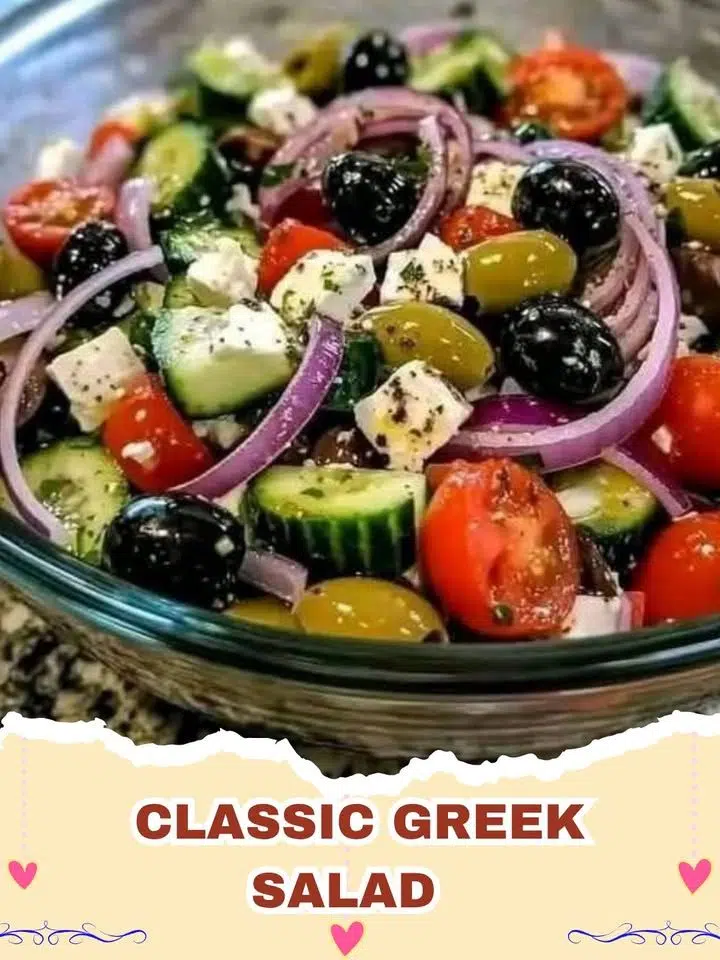
A Classic Greek Salad Recipe is more than just a combination of vegetables; it is a celebration of the Aegean sun and the simple bounty of the Mediterranean land. Known in Greece as Horiatiki, which literally translates to 'village salad,' this dish embodies the heart of Greek hospitality and the purity of fresh, seasonal produce. When you take your first bite of this Classic Greek Salad Recipe, you are transported to a white-washed taverna overlooking the deep blue sea, where the aroma of wild oregano fills the air and time seems to slow down. It is an emotional journey through flavor, connecting you to ancient traditions where every ingredient is respected for its natural integrity.
The Heart and Soul of a Classic Greek Salad Recipe
The beauty of the Classic Greek Salad Recipe lies in its refusal to be complicated. In a world of over-processed foods and intricate culinary techniques, this salad stands as a testament to the fact that quality ingredients don't need to be hidden. Every component of the Classic Greek Salad Recipe—from the crisp cucumber to the briny olives—serves a purpose, creating a harmony of textures and flavors that is both refreshing and deeply satisfying. This is a dish that speaks to the soul, offering a sense of wellness and vitality that only fresh garden produce can provide. Whether you are serving it as a light lunch or a vibrant side dish, the Classic Greek Salad Recipe brings a touch of Mediterranean magic to any table.
Why You’ll Love It
You will absolutely fall in love with this Classic Greek Salad Recipe because it is the ultimate 'low effort, high reward' meal. It requires zero cooking, making it perfect for those sweltering summer days when you want something nourishing without turning on the stove. This Classic Greek Salad Recipe is also incredibly versatile, fitting perfectly into a Mediterranean diet which has been scientifically linked to numerous health benefits, including heart health and longevity, as noted by Healthline. Furthermore, the vibrant colors of the tomatoes, onions, and olives make this salad a visual masterpiece, ensuring it will be the star of any potluck or dinner party. It’s a dish that feels indulgent thanks to the creamy feta, yet remains light and energizing.
Ingredients
To create the perfect Classic Greek Salad Recipe, you must source the freshest ingredients possible. This salad is only as good as the tomatoes and oil you use. Here is what you will need:
- 2 cups cucumber: Preferably English or Persian for a thinner skin and fewer seeds.
- 1 cup cherry tomatoes: Halved for easy eating and a burst of juice.
- 1/2 red onion: Thinly sliced to provide a sharp, crisp contrast.
- 1/4 cup Kalamata olives: The king of Greek olives, offering a deep, fruity flavor.
- 1/4 cup green olives: To add an extra layer of briny complexity.
- 1/2 cup feta cheese: Cubed or served as one large slab on top.
- 1 tbsp fresh parsley: Finely chopped for a hit of herbal freshness.
- 1/4 tsp dried oregano: The essential Greek herb that ties everything together.
- Salt & pepper: To taste, but be careful as the olives and feta are already salty.
- 2 tbsp olive oil: Use a high-quality extra virgin variety.
- 1 tbsp red wine vinegar: For the necessary acidic punch.
Notes and Substitutions
If you cannot find Kalamata olives, you can use other brine-cured olives, though the flavor profile of your Classic Greek Salad Recipe will shift. For the onions, if you find them too sharp, soak the slices in cold water for ten minutes before adding them to the bowl. This softens their bite while keeping the crunch. While cherry tomatoes are used here for convenience, large heirloom or vine-ripened tomatoes are traditional and provide a wonderful depth of flavor when in season.
Equipment
You don't need much to master the Classic Greek Salad Recipe. A sharp chef's knife is essential for clean slices, and a large mixing bowl is necessary to toss the ingredients without bruising them. A small whisk or jar can be used to emulsify the dressing before pouring it over the salad.
Instructions
Follow these simple steps to bring the Classic Greek Salad Recipe to life in your kitchen:
- Prep the Vegetables: Begin by washing all your produce. Slice the cucumbers into half-moons and the red onion into thin slivers. Halve the cherry tomatoes to ensure they release their juices into the dressing.
- Cube the Feta: Carefully cube your feta cheese into bite-sized pieces, or if you want to be truly traditional, keep a large rectangular slab ready to place on top of the finished salad.
- Create the Dressing: In a small bowl or jar, combine the extra virgin olive oil, red wine vinegar, dried oregano, salt, and pepper. Whisk or shake until the mixture is slightly thickened.
- Assemble the Salad: In a large mixing bowl, combine the cucumbers, tomatoes, onions, and both types of olives. Pour the dressing over the vegetables and toss gently to ensure everything is coated in the herbaceous oil.
- The Final Touch: Add the feta cheese and fresh parsley. Give it one final, very gentle toss—you don't want to break the feta too much—and serve immediately.
Pro Tips for the Best Classic Greek Salad Recipe
For a truly professional Classic Greek Salad Recipe, always use 'block' feta rather than the pre-crumbled variety found in tubs. Block feta retains its moisture and has a much creamier mouthfeel. Another secret is to let the salad sit for about 5 to 10 minutes after tossing. This allows the tomato juices to mingle with the olive oil and vinegar, creating a delicious liquid at the bottom of the bowl known as 'papara,' which is meant to be soaked up with crusty bread. Lastly, never add lettuce to your Classic Greek Salad Recipe if you want to stay authentic; the vegetables themselves provide all the crunch you need!
Serving, Storage & Variations
Serve your Classic Greek Salad Recipe alongside some warm pita bread or as a refreshing accompaniment to our Irresistible Greek Chicken Wraps with Creamy Garlic Yogurt Sauce. It also pairs beautifully with grilled fish or lamb. While this salad is best eaten immediately, you can store leftovers in the fridge for up to a day. For a variation, try adding sliced green bell peppers for extra crunch or a handful of capers for a burst of saltiness. If you are craving a warm soup after this fresh meal, consider making The Most Comforting Greek Lemon Chicken Orzo Soup That Heals the Soul for a complete Hellenic experience.
Nutrition Information
Understanding the nutritional value of your Classic Greek Salad Recipe helps you appreciate just how healthy this Mediterranean staple really is. Below are the estimated values per serving:
| Nutrient | Amount |
|---|---|
| Calories | 315 kcal |
| Protein | 8g |
| Carbohydrates | 12g |
| Fat | 26g |
| Fiber | 3g |
| Sodium | 480mg |
Note: This information is an estimate based on standard ingredient portions and may vary depending on the specific brands used.
Conclusion
The Classic Greek Salad Recipe is a timeless dish that brings health, flavor, and sunshine to your dinner table. By using high-quality olive oil and the freshest vegetables, you create a meal that is both simple and sophisticated. We hope this Classic Greek Salad Recipe inspires you to explore more Mediterranean flavors and enjoy the emotional warmth that comes from sharing fresh, honest food with loved ones. Enjoy every crunchy, briny, and creamy bite!


FAQs
Is there lettuce in an authentic Classic Greek Salad Recipe?
No, an authentic Greek salad (Horiatiki) never contains lettuce. It focuses on the crunch of cucumbers, the juiciness of tomatoes, and the creaminess of a large block of feta cheese.
What is the best type of feta to use for this salad?
For the most authentic flavor, use Greek feta made from sheep's milk or a blend of sheep and goat milk. Always buy a block stored in brine rather than pre-crumbled feta for better texture.
How long does a Classic Greek Salad stay fresh in the fridge?
This salad is best served fresh. However, it can be stored in an airtight container for up to 24 hours. Note that the cucumbers may lose their crunch over time as they sit in the dressing.
Can I make this salad vegan?
Yes! You can easily make this salad vegan by substituting the feta cheese with a plant-based feta alternative or adding extra olives and capers for that salty, savory kick.

Classic Greek Salad (Horiatiki)
- Total Time: 15 minutes
- Yield: 4 servings 1x
- Diet: Vegetarian
Description
An authentic, refreshing Greek salad featuring crisp cucumbers, juicy tomatoes, briny Kalamata olives, and creamy feta cheese tossed in a simple oregano vinaigrette.
Ingredients
2 cups cucumber, sliced
1 cup cherry tomatoes, halved
1/2 red onion, sliced
1/4 cup Kalamata olives
1/4 cup green olives
1/2 cup feta cheese, cubed
1 tbsp fresh parsley, chopped
1/4 tsp dried oregano
Salt & pepper, to taste
2 tbsp extra virgin olive oil
1 tbsp red wine vinegar
Instructions
Step 1: Prep the vegetables by slicing the cucumbers into half-moons, halving the cherry tomatoes, and thinly slicing the red onion.
Step 2: In a small jar or bowl, whisk together the olive oil, red wine vinegar, dried oregano, salt, and pepper to create the dressing.
Step 3: Place the cucumber, tomatoes, onion, and both types of olives into a large mixing bowl.
Step 4: Pour the dressing over the vegetables and toss gently until every piece is well-coated.
Step 5: Add the cubed feta cheese and fresh parsley, giving it one last gentle toss before serving.
Notes
Always use a high-quality extra virgin olive oil and block feta for the best results. Let the salad sit for 5 minutes before serving to allow the flavors to meld.
- Prep Time: 15 minutes
- Cook Time: 0 minutes
- Category: Salad
- Method: No-Cook
- Cuisine: Greek
Nutrition
- Serving Size: 1 bowl
- Calories: 315 kcal
- Sugar: 5g
- Sodium: 480mg
- Fat: 26g
- Saturated Fat: 7g
- Unsaturated Fat: 18g
- Trans Fat: 0g
- Carbohydrates: 12g
- Fiber: 3g
- Protein: 8g
- Cholesterol: 25mg
Related posts:
 The Ultimate Cowboy Steak with Truffle Honey Butter That Will Melt Your Heart
 The Most Irresistible Honey Garlic Steak Bites That Will Melt Your Heart
 The Most Divine High Protein Sugar-Free Monkey Bread That Will Melt Your Soul
 The Most Legendary Authentic Thai Crying Tiger (Sua Rong Hai) Steak Recipe That Will Heal Your Soul

Leave a Reply