
Introduction
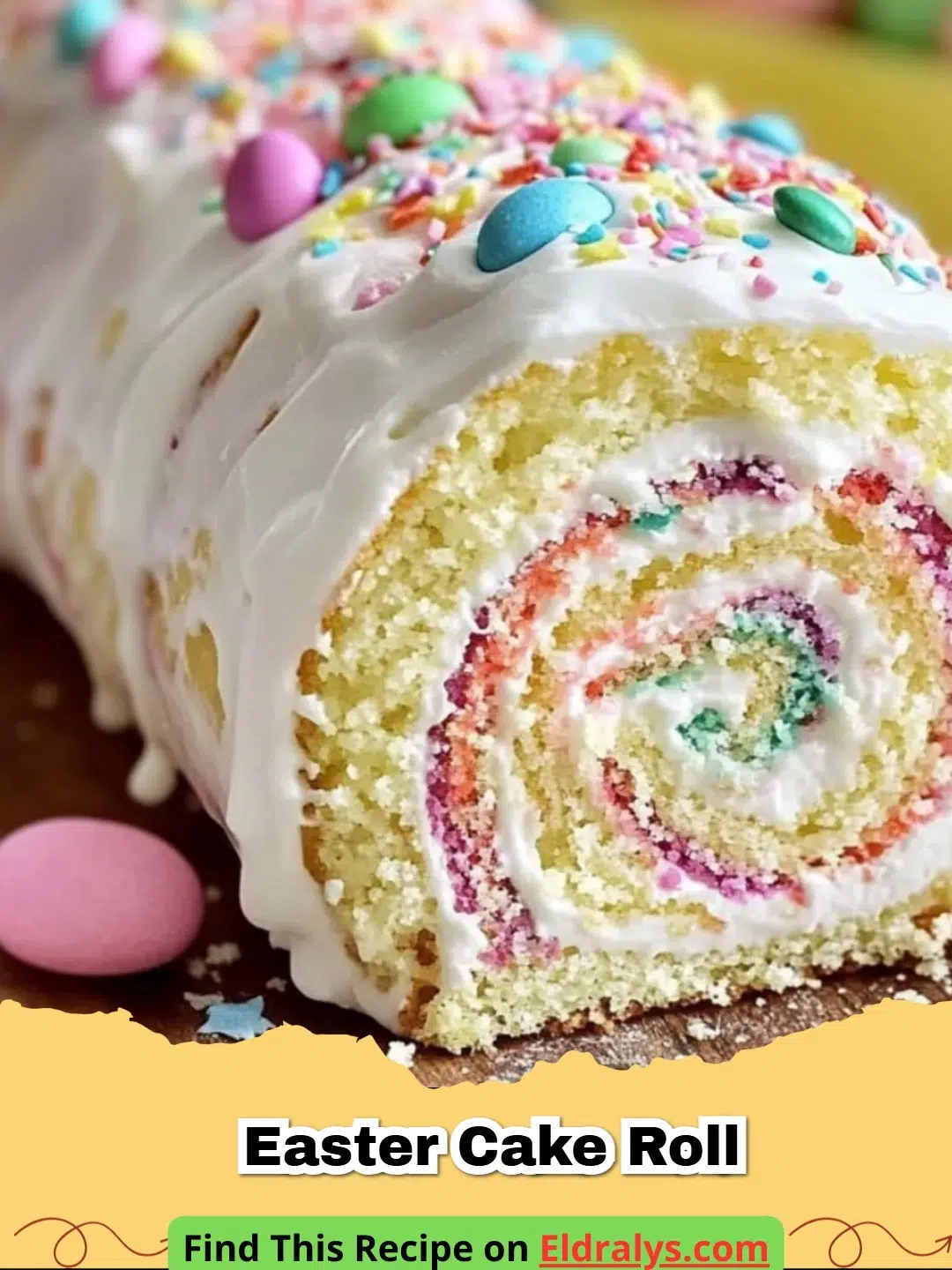
Making an Easter Cake Roll is the ultimate way to bring a touch of springtime magic to your holiday table. This dessert, often called a Swiss roll or jelly roll, consists of a thin, airy sponge cake that is rolled around a luscious, creamy filling. The beauty of the Easter Cake Roll lies in its elegant spiral, which provides a stunning visual contrast between the cake and the cream. Whether you are hosting a traditional family dinner or a light garden brunch, this dessert captures the essence of the season with its delicate texture and vibrant decoration possibilities. Many bakers find the prospect of rolling a cake intimidating, but with the right techniques, you can achieve a flawless result every time. This particular version focuses on a bright vanilla sponge that acts as a canvas for pastel colors and festive sprinkles. By the time you finish this guide, you will feel like a professional pastry chef ready to unveil a masterpiece.
Why You’ll Love It
You will absolutely adore this Easter Cake Roll because it combines high-impact presentation with a surprisingly simple ingredient list. Unlike dense layer cakes, the sponge is incredibly light, making it the perfect follow-up to a heavy holiday meal. It is also highly customizable; you can swap the vanilla for lemon or almond extract to suit your palate. This recipe is particularly beloved because it avoids the common pitfalls of dry or rubbery sponges. Instead, we use a specific aeration method to ensure every bite is soft and cloud-like. It is a fantastic companion to other holiday treats, such as The Most Magical Banana Pudding Easter Truffles, which can round out your dessert spread. Plus, the rolling process is deeply satisfying once you master it, giving you a sense of accomplishment that few other bakes provide.
The History and Tradition of the Cake Roll
While the origin of the rolled cake is somewhat debated, it has become a staple in European and American confectionery. The term "Swiss roll" suggests a connection to Switzerland, but many culinary historians believe it actually gained popularity in Central Europe before spreading worldwide. In the context of spring, the Easter Cake Roll has evolved into a symbol of rebirth and celebration. The spiral represents the cycle of the seasons, while the light flavors reflect the transition from winter's richness to spring's freshness. Understanding the Swiss roll history and techniques can help you appreciate the precision required for this classic bake. Over decades, variations like the Bûche de Noël have dominated winter, but the lighter, more colorful spring roll has carved out its own place in holiday tradition.
Mastering the Art of the Sponge
The secret to a successful Easter Cake Roll is the flexibility of the sponge. A standard cake batter is too thick and crumbly to roll without breaking. For this recipe, we rely on the power of whipped eggs. By beating the eggs with sugar for several minutes, we create a stable foam that provides structure without the need for excess flour. This creates a "biscuit" sponge—a French term for a cake that is naturally flexible. You must also be careful with the temperature of your ingredients. Room temperature eggs will whip much higher than cold ones, creating a larger volume of air. Additionally, sifting your dry ingredients is non-negotiable. Even the smallest lump of flour can weigh down the foam, leading to a flat cake that cracks during the rolling process. Patience is your best friend when mastering this aeration technique.
Creative Decoration Ideas for Spring
Once your Easter Cake Roll is filled and rolled, the fun really begins with the decoration. For a classic look, a simple dusting of powdered sugar is elegant and understated. However, to truly embrace the holiday spirit, consider using a white chocolate ganache or a light whipped cream frosting for the exterior. You can use gel food coloring to tint the frosting in soft lavender, mint green, or sky blue. Edible flowers, such as pansies or violets, can be pressed into the frosting for a sophisticated garden vibe. For a more whimsical approach, top the roll with crushed malted milk eggs or tiny fondant carrots. If you are feeling extra festive, you could even serve these alongside The Most Adorable No-Bake Easter Bunny Coconut Tails for a complete themed display that children and adults alike will find irresistible.
Ingredients
The beauty of this recipe is that it uses pantry staples to create something extraordinary. For the sponge, you will need large eggs, granulated sugar, all-purpose flour, and a pinch of salt. The filling requires heavy whipping cream, cream cheese for stability, and powdered sugar for sweetness. Don't forget high-quality vanilla bean paste or extract to give the cake its signature aroma.
Notes and Substitutions
- Flour: Cake flour can be substituted for all-purpose flour for an even more tender crumb.
- Filling: If you prefer a fruitier taste, fold 1/4 cup of lemon curd or strawberry jam into the whipped cream filling.
- Dairy-Free: Use a stable coconut cream or vegan cream cheese alternative for a dairy-free Easter Cake Roll.
Equipment
You will need a 10x15 inch jelly roll pan, parchment paper, and a clean, lint-free kitchen towel. An electric hand mixer or a stand mixer is essential for properly whipping the eggs to the correct volume. A large offset spatula will help you spread the batter and filling evenly to ensure a uniform spiral in your final cake.
Instructions
- Step 1: Preheat your oven to 375°F (190°C) and grease your 10x15 inch jelly roll pan. Line the bottom with parchment paper, ensuring the paper hangs over the edges for easy removal later.
- Step 2: In a large bowl, beat the eggs for about 5 minutes until they are thick and pale yellow. Gradually add the granulated sugar and vanilla extract while continuing to beat on high speed until the mixture triples in volume.
- Step 3: Sift the flour, baking powder, and salt over the egg mixture. Using a rubber spatula, very gently fold the dry ingredients into the foam. Be careful not to deflate the air bubbles you worked so hard to create for your Easter Cake Roll.
- Step 4: Pour the batter into the prepared pan and spread it evenly into the corners. Bake for 10 to 12 minutes, or until the top of the cake springs back when lightly touched.
- Step 5: While the cake is baking, lay out a clean kitchen towel on your counter and dust it generously with powdered sugar. Immediately after removing the cake from the oven, invert it onto the towel.
- Step 6: Peel off the parchment paper carefully. Starting from the short end, roll the warm cake and the towel together tightly. Let the Easter Cake Roll cool completely in this rolled position on a wire rack.
- Step 7: Once cooled, unroll the cake and spread your prepared cream filling evenly across the surface, leaving a small border at the edges. Re-roll the cake (without the towel this time) and place it seam-side down on a serving platter.
Pro Tips
To ensure your Easter Cake Roll is a success, never skip the towel-rolling step while the cake is hot. Heat makes the cake fibers pliable, while cooling "sets" the shape. If the cake is too cold when you first roll it, it will almost certainly snap. Also, avoid over-baking the sponge. Even 60 seconds too long can dry out the edges, making them brittle. Use a high-quality grease-proof parchment paper to ensure the delicate sponge doesn't stick to the pan. Finally, when folding in your flour, use a large, wide-sweeping motion with your spatula to reach the bottom of the bowl where flour tends to settle.
Serving, Storage & Variations
Serve your Easter Cake Roll chilled for the best texture and cleanest slices. Use a sharp, serrated knife and wipe it clean between each cut to preserve the beautiful spiral. For storage, keep the cake tightly wrapped in plastic wrap in the refrigerator for up to three days. If you want to try a variation, consider a chocolate sponge by replacing 1/4 cup of flour with Dutch-processed cocoa powder. You can also experiment with different fillings like mocha cream or a raspberry mousse. For a festive touch, add a drop of pink food coloring to the batter before folding in the flour to create a hidden surprise inside.
Nutrition Information
| Nutrient | Amount |
|---|---|
| Calories | 310 kcal |
| Protein | 5g |
| Carbohydrates | 42g |
| Fat | 14g |
| Sodium | 180mg |
| Fiber | 1g |
Note: The nutritional information provided above is an estimate based on standard ingredients and serving sizes.
Conclusion
The Easter Cake Roll is more than just a dessert; it is a centerpiece that brings joy and beauty to your holiday celebration. By following these steps and respecting the science of the sponge, you can create a treat that tastes as good as it looks. The lightness of the cake combined with the richness of the cream creates a harmonious balance that everyone will love. Don't be afraid to get creative with your decorations and make this recipe your own. Happy baking, and may your holiday be filled with sweet memories and perfectly rolled cakes!


FAQs
How do I prevent my Easter Cake Roll from cracking?
The key is to roll the cake while it is still warm from the oven in a clean kitchen towel dusted with powdered sugar. This trains the cake to hold its shape and prevents it from snapping once cooled and filled.
Can I make this Easter Cake Roll ahead of time?
Yes, you can bake the cake a day in advance. Once filled and rolled, wrap it tightly in plastic wrap and store it in the refrigerator. In fact, resting for a few hours helps the flavors meld and makes the cake easier to slice.
What is the best filling for a spring cake roll?
While cream cheese frosting is classic, a light whipped cream with fresh strawberries or a lemon curd filling works beautifully for the spring season.

Classic Easter Cake Roll
- Total Time: 42 minutes
- Yield: 10-12 servings 1x
- Diet: Vegetarian
Description
A light and airy vanilla sponge cake rolled with a luscious cream cheese and whipped cream filling, decorated with festive spring flair.
Ingredients
3 large eggs, room temperature
1 cup granulated sugar
1 tablespoon vanilla extract
1 cup all-purpose flour
1 teaspoon baking powder
1/4 teaspoon salt
1/2 cup powdered sugar (for dusting)
1 cup heavy whipping cream
4 oz cream cheese, softened
1/2 cup powdered sugar (for filling)
Instructions
Step 1: Preheat oven to 375°F and line a 10x15 inch pan with parchment paper.
Step 2: Beat eggs for 5 minutes, then add granulated sugar and vanilla.
Step 3: Gently fold in the sifted flour, baking powder, and salt.
Step 4: Bake for 10-12 minutes until the cake springs back.
Step 5: Invert the hot cake onto a towel dusted with powdered sugar and roll it up.
Step 6: Whip the cream, cream cheese, and powdered sugar until stiff peaks form.
Step 7: Unroll the cooled cake, spread with filling, and re-roll tightly.
Notes
Ensure the eggs are at room temperature for maximum volume and the cake is rolled while hot to prevent cracking.
- Prep Time: 30 minutes
- Cook Time: 12 minutes
- Category: Dessert
- Method: Baking
- Cuisine: American
Nutrition
- Serving Size: 1 slice
- Calories: 310 kcal
- Sugar: 28g
- Sodium: 180mg
- Fat: 14g
- Saturated Fat: 8g
- Unsaturated Fat: 4g
- Trans Fat: 0g
- Carbohydrates: 42g
- Fiber: 1g
- Protein: 5g
- Cholesterol: 65mg
Related posts:
 The Ultimate Cowboy Steak with Truffle Honey Butter That Will Melt Your Heart
 The Most Irresistible Honey Garlic Steak Bites That Will Melt Your Heart
 The Most Divine High Protein Sugar-Free Monkey Bread That Will Melt Your Soul
 The Most Legendary Authentic Thai Crying Tiger (Sua Rong Hai) Steak Recipe That Will Heal Your Soul

Leave a Reply