
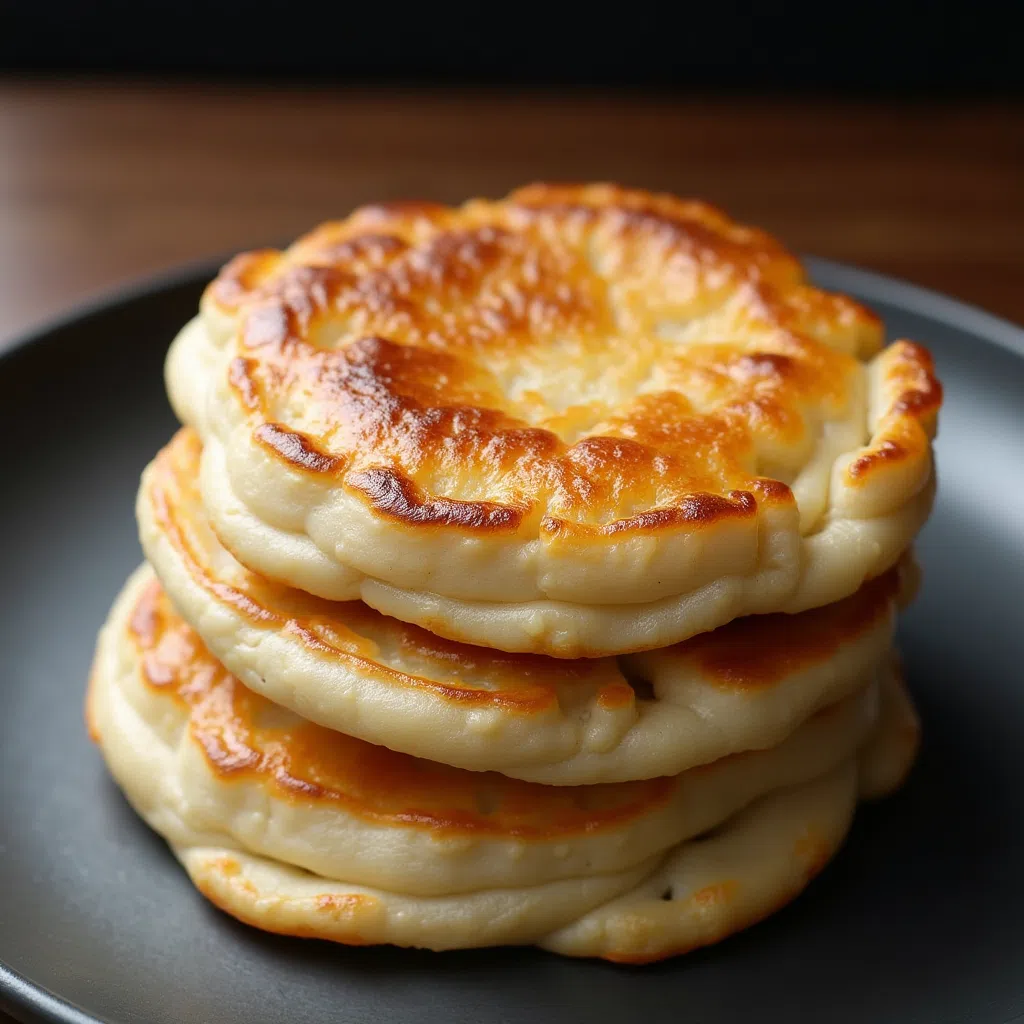
There's an undeniable charm and comforting warmth that fills the kitchen when a batch of homemade biscuits is baking. This recipe isn't just about creating a side dish; it's about crafting a little piece of Southern comfort right in your home. Get ready to bake biscuits that are impossibly fluffy, tender, and perfectly golden, bringing a smile to everyone's face.
We're stripping away the complexities and providing a straightforward guide to achieving biscuit perfection. Whether you're a seasoned baker or just starting out, this recipe promises delicious results. Prepare to enjoy a true taste of home with these incredible fluffy homemade buttermilk biscuits!
The Magic Behind Fluffy Biscuits
The secret to light, airy biscuits with beautiful layers lies in two key ingredients and how you handle them:
- Cold Unsalted Butter: This is your star. When cold butter hits a hot oven, the water within it turns to steam, creating pockets that separate the dough into distinct, flaky layers.
- Buttermilk: Beyond adding a delightful tangy flavor, buttermilk is crucial for activating the baking soda, which contributes significantly to the biscuit's rise and tender texture. For a deeper dive into leavening agents, consider checking out this informative article on Baking Powder on Wikipedia.
Remember, less is more when it comes to handling the dough. Overworking it will develop gluten, leading to tough, chewy biscuits instead of tender ones.
Essential Tools for Biscuit Success
While you can make biscuits with just your hands, a few tools make the process much easier:
- Large Mixing Bowl: For combining your dry ingredients.
- Pastry Cutter or Fork: Essential for incorporating the cold butter into the flour without warming it up too much.
- Biscuit Cutter (or a sharp-edged glass): To get perfectly round, evenly sized biscuits. Press straight down, don't twist!
Step-by-Step to Biscuit Perfection
Follow these precise steps to create biscuits that are guaranteed to impress. Gentle hands and attention to detail are your best friends here!

Step 1: Preheat your oven to a blazing 450°F (230°C). Line a baking sheet with parchment paper to prevent any sticking and ensure a beautiful, even bake.
Step 2: In a large mixing bowl, whisk together the all-purpose flour, baking powder, baking soda, and salt until they are thoroughly combined. This even distribution is vital for uniform leavening.
Step 3: Add the very cold, cubed unsalted butter to your dry mixture. Using a pastry cutter, your fingers, or even two knives, quickly work the butter into the flour until the mixture resembles coarse crumbs. There should still be some visible pea-sized pieces of butter – these are what create those incredible flaky layers!
Step 4: Pour in the buttermilk. With a spoon or spatula, stir gently until the ingredients are just combined. The dough will still be a bit sticky and shaggy, and that's perfectly normal. Avoid the temptation to overmix, as too much handling can develop gluten, resulting in tough biscuits.
Step 5: Turn the dough out onto a lightly floured surface. Gently knead it just a few times (no more than 5-6 quick folds) until it barely comes together into a cohesive mass. Pat the dough into a uniform rectangle about 1-inch thick.
Step 6: Using a round biscuit cutter (or the rim of a glass), press straight down to cut out biscuit rounds. Do not twist the cutter, as this can seal the edges and inhibit rising. Place the cut biscuits on your prepared baking sheet, allowing them to touch slightly if you desire softer sides and a taller rise.
Step 7: For that irresistible golden-brown finish, lightly brush the tops of your biscuits with a little extra buttermilk before placing them in the oven.
Step 8: Bake in your preheated oven for 12-15 minutes, or until the tops are beautifully golden brown and the biscuits have risen high and are cooked through.
Step 9: Remove the biscuits from the oven and let them cool on the baking sheet for a few minutes. They are undeniably best when enjoyed warm. Serve them split open with a generous pat of butter, your favorite fruit jam, or as a perfect partner to a comforting dish like Hearty Sausage, Gravy, and Biscuit Pie.


Pro Tips for Your Best Biscuits Ever
- Keep Everything Cold: Seriously, the colder your butter and buttermilk (and even flour!), the flakier your biscuits will be.
- Don't Overmix the Dough: Stir just until combined. A shaggy dough is a happy dough. Overmixing leads to tough biscuits.
- Cut Straight Down: When using a biscuit cutter, press firmly straight down and lift. Twisting the cutter can seal the edges, preventing the biscuit from rising fully.
- Don't Forget the Brush: A quick brush of buttermilk before baking gives them that gorgeous golden top.
- Crowd Them (Slightly): Placing biscuits close together on the baking sheet encourages them to rise taller and creates softer sides.
Serving Suggestions & Storage
These fluffy buttermilk biscuits are a delight on their own, but they also pair wonderfully with so many things. Imagine them fresh from the oven, slathered with butter and a dollop of homemade preserves. They're also an ideal accompaniment to savory dishes. If you're looking for another biscuit-inspired treat, try our Easy Cinnamon Sugar Biscuit Bites with Icing.
Store any cooled leftover biscuits in an airtight container at room temperature for up to two days, or in the refrigerator for up to a week. To enjoy them again, reheat in a 350°F (175°C) oven for 5-7 minutes until warm and tender.
Final Thoughts
Baking homemade biscuits is more than just following a recipe; it's an experience that fills your kitchen with warmth and your heart with comfort. With this guide, you're well on your way to creating consistently fluffy, flaky, and absolutely delicious buttermilk biscuits. Enjoy the process, savor the results, and get ready for rave reviews!
FAQs
What is the secret to getting truly fluffy, layered homemade biscuits?
The magic lies in using very cold butter and handling your dough minimally. Cold butter creates steam pockets when it bakes, which results in those wonderful flaky layers. Buttermilk also reacts with the leavening agents to give an incredible lift.
Can I substitute regular milk for buttermilk in this recipe?
If you don't have buttermilk on hand, you can easily make a substitute. For 3/4 cup of buttermilk, simply add 1 tablespoon of white vinegar or lemon juice to a measuring cup, then fill the rest with regular milk (dairy or non-dairy). Let it sit for 5-10 minutes until it slightly curdles before using.
What are the best ways to serve homemade biscuits?
Warm homemade biscuits are incredibly versatile! They are delicious split open with butter and your favorite jam or honey for breakfast. For a savory option, serve them with fried chicken, eggs, or smothered in classic sausage gravy. They also make an excellent base for fruit shortcakes.
How should I store and reheat leftover homemade biscuits?
Store cooled biscuits in an airtight container at room temperature for up to 2 days, or in the refrigerator for up to a week. To reheat and restore their tenderness, warm them in a preheated oven at 350u00b0F (175u00b0C) for 5-7 minutes, or until they are soft and heated through.

Fluffy Homemade Buttermilk Biscuits
- Total Time: 30 minutes
- Yield: 8-10 biscuits 1x
- Diet: Vegetarian
Description
A simple guide to making incredibly fluffy, tender, and perfectly golden Southern-style buttermilk biscuits from scratch.
Ingredients
2 cups all-purpose flour
1 tablespoon baking powder
1/2 teaspoon baking soda
1/2 teaspoon salt
1/2 cup (1 stick) very cold unsalted butter, cubed
3/4 cup cold buttermilk, plus extra for brushing
Instructions
Step 1: Preheat your oven to a blazing 450°F (230°C). Line a baking sheet with parchment paper to prevent any sticking and ensure a beautiful, even bake.
Step 2: In a large mixing bowl, whisk together the all-purpose flour, baking powder, baking soda, and salt until they are thoroughly combined. This even distribution is vital for uniform leavening.
Step 3: Add the very cold, cubed unsalted butter to your dry mixture. Using a pastry cutter, your fingers, or even two knives, quickly work the butter into the flour until the mixture resembles coarse crumbs. There should still be some visible pea-sized pieces of butter – these are what create those incredible flaky layers!
Step 4: Pour in the buttermilk. With a spoon or spatula, stir gently until the ingredients are just combined. The dough will still be a bit sticky and shaggy, and that's perfectly normal. Avoid the temptation to overmix, as too much handling can develop gluten, resulting in tough biscuits.
Step 5: Turn the dough out onto a lightly floured surface. Gently knead it just a few times (no more than 5-6 quick folds) until it barely comes together into a cohesive mass. Pat the dough into a uniform rectangle about 1-inch thick.
Step 6: Using a round biscuit cutter (or the rim of a glass), press straight down to cut out biscuit rounds. Do not twist the cutter, as this can seal the edges and inhibit rising. Place the cut biscuits on your prepared baking sheet, allowing them to touch slightly if you desire softer sides and a taller rise.
Step 7: For that irresistible golden-brown finish, lightly brush the tops of your biscuits with a little extra buttermilk before placing them in the oven.
Step 8: Bake in your preheated oven for 12-15 minutes, or until the tops are beautifully golden brown and the biscuits have risen high and are cooked through.
Step 9: Remove the biscuits from the oven and let them cool on the baking sheet for a few minutes. They are undeniably best when enjoyed warm. Serve them split open with a generous pat of butter, your favorite fruit jam, or as a perfect partner to a comforting dish like Hearty Sausage, Gravy, and Biscuit Pie.
Step 10: For extra richness, brush with melted butter immediately after removing them from the oven.
Notes
For extra richness, brush with melted butter after baking. Biscuits are best served warm.
- Prep Time: 15 minutes
- Cook Time: 12-15 minutes
- Category: Breakfast
- Method: Baking
- Cuisine: American
Nutrition
- Serving Size: 1 biscuit
- Calories: 280 kcal
- Sugar: 2g
- Sodium: 420mg
- Fat: 14g
- Saturated Fat: 8g
- Unsaturated Fat: 4g
- Trans Fat: 0g
- Carbohydrates: 35g
- Fiber: 1g
- Protein: 5g
- Cholesterol: 40mg



Leave a Reply