
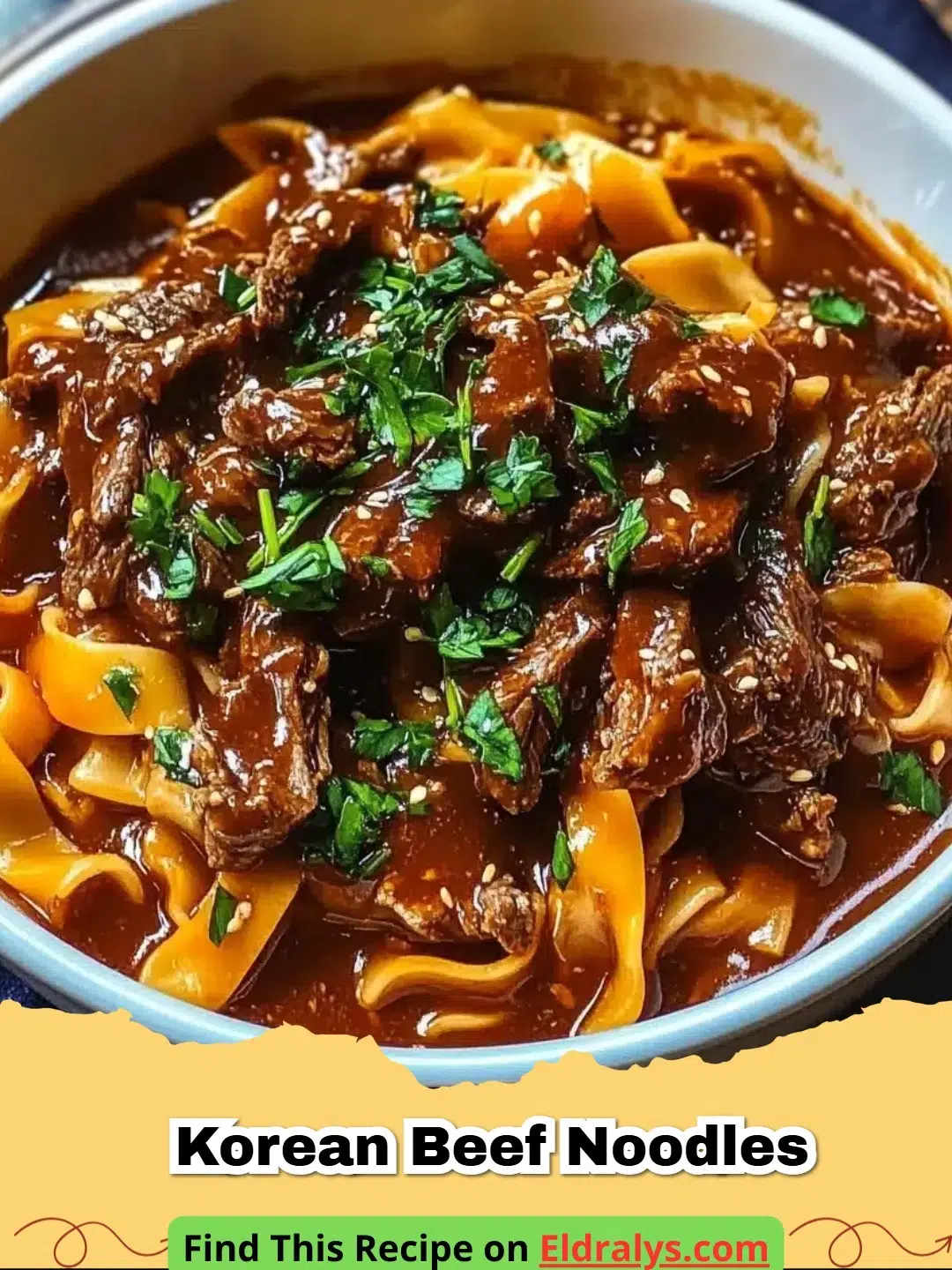
The Timeless Comfort of Korean Beef Noodles
Korean Beef Noodles represent a culinary bridge between tradition and the fast-paced modern world, offering a depth of flavor that is truly unparalleled. In many Korean households, the marriage of high-quality beef and long, flowing noodles symbolizes longevity and prosperity, making this dish not just a meal, but a celebration of life. The secret lies in the balance of 'dan-zzan'—the Korean term for the addictive combination of sweet and salty. When you take your first bite of these Korean Beef Noodles, you are greeted by the aromatic warmth of toasted sesame oil and the sharp, bright kick of fresh ginger.
Historically, noodle dishes have occupied a prestigious place in Korean royalty and commoner life alike. From the delicate glass noodles used in Japchae to the hearty wheat noodles found in street food stalls, the versatility of the noodle is a testament to the region's resourceful cooking. This specific variation focuses on providing a high-protein, satisfying experience that mimics the savory charm of Bulgogi but with the satisfying chew of a well-cooked noodle. Whether you are coming home after a long day at work or hosting a cozy dinner for friends, Korean Beef Noodles provide an emotional anchor to the dinner table.
Understanding the nuances of Korean Beef Noodles requires a look at the cultural importance of the marinade. Unlike Western stir-fries that often rely on heavy starches, Korean sauces prioritize clarity and layers of flavor. By combining brown sugar for sweetness, soy sauce for umami, and gochugaru (Korean red chili flakes) for a gentle heat, we create a complex profile that coats every strand of noodle. As we dive deeper into this guide, we will explore the techniques used by top chefs to ensure the beef remains succulent and the noodles retain their structural integrity, ensuring every forkful is a masterpiece.
The Cultural Significance of Noodle Length
In many Asian cultures, including Korea, noodles are never cut before serving. The long strands are symbolic of a long life. Preparing Korean Beef Noodles for a loved one is often seen as a gesture of deep care and well-wishes. This emotional connection makes the dish a staple for birthdays and New Year's celebrations. When you serve this recipe, you're not just providing sustenance; you're sharing a piece of heritage that values time, patience, and the joy of shared experience.
Why You’ll Love It
You will absolutely fall in love with these Korean Beef Noodles because they offer a sophisticated flavor profile with surprisingly little effort. In less than 30 minutes, you can transform simple pantry staples into a gourmet experience that rivals your favorite high-end Korean BBQ spot. The combination of caramelized beef edges and the slippery, sauce-coated noodles creates a textural playground in your mouth. Furthermore, this dish is incredibly versatile; it can be scaled up for a large family or enjoyed as a quick solo meal. The lingering aroma of garlic and scallions in your kitchen will provide a sense of home and warmth that only true comfort food can deliver.
This recipe is also a fantastic way to introduce children to new flavors. The sweetness of the brown sugar helps balance the savory soy, making it approachable for pickier eaters while still satisfying the adventurous palate of adults. If you enjoyed the depth of flavor in our Sizzling Chinese Pepper Steak with Onions, you will find these Korean Beef Noodles to be a wonderful companion in your weeknight rotation. The efficiency of the cooking process means less time cleaning up and more time enjoying the company of your family.
Ingredients
To create the perfect bowl of Korean Beef Noodles, quality and freshness are paramount. Here is what you will need:
- 1 lb Beef: Flank steak or sirloin, thinly sliced against the grain.
- 8 oz Noodles: Ramen, udon, or even spaghetti work beautifully.
- 3 tbsp Soy Sauce: Use low-sodium to control the saltiness.
- 2 tbsp Brown Sugar: For that signature sweet glaze.
- 1 tbsp Sesame Oil: Toasted for maximum aroma.
- 3 cloves Garlic: Freshly minced for a pungent base.
- 1 tsp Fresh Ginger: Grated to add a bright, spicy note.
- 1 tsp Gochugaru: Or crushed red pepper flakes for heat.
- 2 Green Onions: Sliced for garnish and freshness.
- 1 tsp Sesame Seeds: Toasted for crunch.
Notes & Substitutions
If you cannot find Gochugaru, a dash of Sriracha or extra red pepper flakes will suffice, though the flavor profile will shift slightly toward a sharper heat. For a healthier twist, you can replace the white noodles with whole-wheat options or even zucchini noodles. If you're looking for another beef-centered miracle, check out our Homemade Chinese Beef & Broccoli for a similar quick-fix dinner. Using fresh ginger is highly recommended as it contains gingerol, which offers numerous health benefits and a superior flavor compared to the powdered version.
Equipment
You don't need a professional kitchen to master Korean Beef Noodles. A large, high-quality non-stick skillet or a traditional carbon steel wok is essential for achieving that high-heat sear on the beef. You will also need a pot for boiling the noodles, a microplane or grater for the ginger, and a sharp chef's knife for slicing the beef thinly. High-heat tongs are also helpful for tossing the noodles and beef together effectively.
Instructions
- Step 1: Cook the noodles according to the package instructions, but stop one minute early. Drain and rinse with cool water to stop the cooking process.
- Step 2: In a small bowl, whisk together the soy sauce, brown sugar, sesame oil, minced garlic, grated ginger, and red pepper flakes to create the sauce for your Korean Beef Noodles.
- Step 3: Heat a large skillet over medium-high heat with a splash of oil. Add the sliced beef in a single layer and sear for 2-3 minutes until browned and caramelized.
- Step 4: Pour the prepared sauce over the beef and let it simmer for 1 minute until it begins to thicken and coat the meat.
- Step 5: Add the cooked noodles to the skillet. Use tongs to toss the Korean Beef Noodles vigorously, ensuring every strand is coated in the savory-sweet glaze.
- Step 6: Remove from heat and stir in the sliced green onions and sesame seeds. Serve immediately while steaming hot.
Pro Tips
For the most tender results in your Korean Beef Noodles, place your beef in the freezer for 15-20 minutes before slicing. This firms up the meat, allowing you to get those paper-thin, restaurant-style slices that cook in seconds. Additionally, do not overcrowd the pan when browning the beef. If you add too much meat at once, the temperature of the pan will drop, and the beef will steam in its own juices rather than developing a beautiful, dark crust. Always use a high-smoke-point oil like canola or grapeseed for the initial sear. Finally, don't be afraid to let the sauce bubble—it needs that heat to emulsify and create the glossy sheen that makes the dish so visually appealing.
Serving, Storage & Variations
Serve your Korean Beef Noodles in deep bowls with an extra sprinkle of fresh scallions or even a drizzle of chili oil if you prefer a spicier kick. For a complete meal, pair with a side of kimchi or a refreshing cucumber salad. If you have leftovers, they store beautifully in an airtight container for up to 3 days. When reheating, add a teaspoon of water or beef broth to loosen the sauce. For variations, try swapping the beef for ground pork or shrimp. You can also add veggies like shredded cabbage or mushrooms to increase the volume of the dish without adding significant calories. This dish is the ultimate canvas for your culinary creativity.
Nutrition Information
| Nutrient | Amount |
|---|---|
| Calories | 480 kcal |
| Protein | 32g |
| Carbohydrates | 52g |
| Fat | 16g |
| Saturated Fat | 4g |
| Sodium | 890mg |
| Fiber | 2g |
| Sugar | 12g |
Disclaimer: The nutritional information provided is an estimate and may vary based on specific ingredient brands and preparation methods.


Conclusion
Mastering Korean Beef Noodles at home is a rewarding journey that brings the vibrant flavors of Seoul directly to your kitchen. With its perfect balance of textures and the warm, comforting embrace of its signature sauce, it is guaranteed to become a new family favorite. Don't be afraid to experiment with different noodle types or spice levels to make the dish your own. We hope these Korean Beef Noodles bring as much joy and comfort to your dinner table as they do to ours. Happy cooking!
FAQs
What type of beef is best for Korean Beef Noodles?
For the best results, use flank steak or sirloin. These cuts are lean but tender enough to cook quickly in a hot skillet without becoming tough.
Can I make Korean Beef Noodles gluten-free?
Yes! Simply swap the soy sauce for tamari or coconut aminos and use rice noodles or gluten-free ramen noodles to enjoy a safe and delicious version of this dish.
How do I prevent the noodles from getting mushy?
The key is to boil the noodles for one minute less than the package directions (al dente). They will finish cooking and soak up the sauce in the pan without breaking down.
Can I add vegetables to this recipe?
Absolutely. Sliced bell peppers, bok choy, carrots, or broccoli are all excellent additions that provide crunch and extra nutrition to the beef and noodles.

Quick & Easy Korean Beef Noodles
- Total Time: 20 minutes
- Yield: 4 servings 1x
- Diet: High-Protein
Description
A 20-minute savory-sweet noodle stir-fry featuring tender beef steak, garlic, ginger, and a glossy soy-sesame glaze.
Ingredients
1 lb flank steak, thinly sliced against the grain
8 oz ramen or udon noodles
3 tbsp soy sauce
2 tbsp brown sugar
1 tbsp toasted sesame oil
3 cloves garlic, minced
1 tsp fresh ginger, grated
1 tsp gochugaru (Korean chili flakes)
2 green onions, sliced
1 tbsp sesame seeds, toasted
Instructions
Step 1: Boil the noodles according to package instructions until al dente. Drain and set aside.
Step 2: In a small bowl, whisk together the soy sauce, brown sugar, sesame oil, garlic, ginger, and chili flakes.
Step 3: Heat a large skillet over high heat with 1 tablespoon of oil. Add the beef slices and cook until browned on both sides.
Step 4: Pour the sauce into the skillet with the beef and stir to coat. Simmer for 1 minute until thickened.
Step 5: Add the drained noodles to the pan and toss with tongs until fully incorporated and heated through.
Step 6: Garnish with green onions and sesame seeds before serving.
Notes
For a spicier version, increase the gochugaru to 1 tablespoon or add a spoonful of gochujang to the sauce mixture.
- Prep Time: 10 minutes
- Cook Time: 10 minutes
- Category: Main Course
- Method: Stir-fry
- Cuisine: Korean
Nutrition
- Serving Size: 1 bowl
- Calories: 480 kcal
- Sugar: 12g
- Sodium: 890mg
- Fat: 16g
- Saturated Fat: 4g
- Unsaturated Fat: 10g
- Trans Fat: 0g
- Carbohydrates: 52g
- Fiber: 2g
- Protein: 32g
- Cholesterol: 65mg
Related posts:
 The Most Heavenly Strawberry Cinnamon Rolls with Cream Cheese Glaze You'll Ever Crave
 The Ultimate Cowboy Steak with Truffle Honey Butter That Will Melt Your Heart
 The Most Irresistible Easy Cinnamon Sugar Pretzel Bites That Will Melt Your Soul
 The Most Irresistible Honey Garlic Steak Bites That Will Melt Your Heart

Leave a Reply