
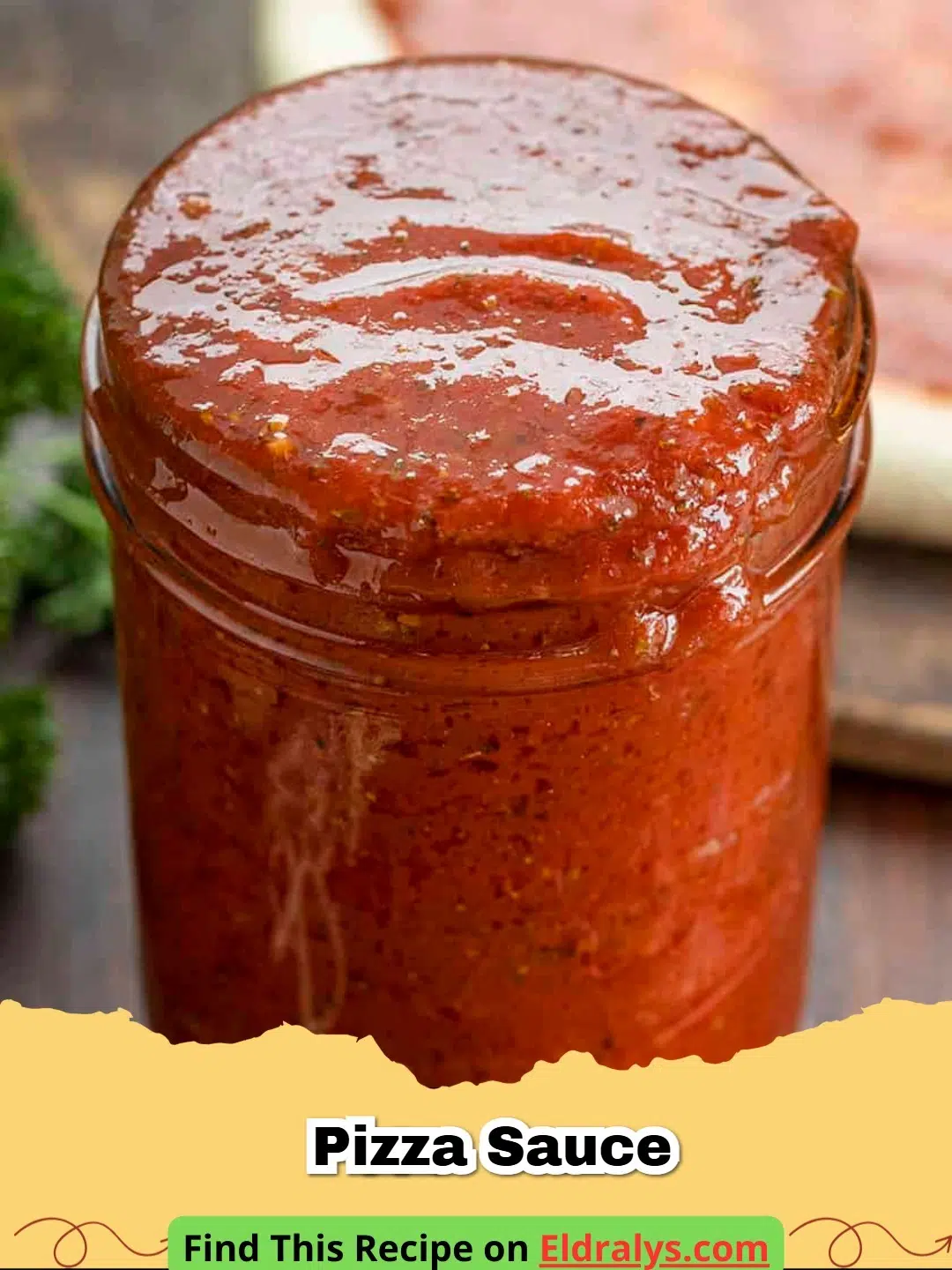
Introduction to the Perfect Homemade Pizza Sauce
Pizza Sauce is the fundamental element that distinguishes a mediocre pie from a culinary masterpiece you would find in the heart of Naples. When you take that first bite of a crispy, golden crust, it is the vibrant acidity and herb-infused sweetness of the sauce that truly awakens your taste buds. Many home cooks rely on store-bought jars filled with preservatives and artificial thickeners, but creating your own artisan red sauce is surprisingly simple and deeply rewarding. This recipe focuses on the purity of ingredients, ensuring that every spoonful reflects the sunshine of the tomatoes and the earthy aroma of fresh oregano. Whether you are hosting a large family gathering or a quiet Friday night dinner, mastering this sauce is a non-negotiable skill for any aspiring pizzaiolo.
The journey to the perfect pizza starts with choosing the right base, and nothing compares to the rich texture of a sauce made from scratch. It provides a level of customization that commercial products simply cannot match, allowing you to adjust the garlic, sweetness, and spice levels to your exact preference. By the end of this guide, you will understand why this specific blend of tomatoes and spices is regarded as the gold standard in kitchens across the globe. Let us dive into the details and transform your kitchen into a professional pizzeria with this incredible red sauce.
Why You’ll Love This Pizza Sauce Recipe
You will absolutely adore this Pizza Sauce because it perfectly balances fresh, zesty flavors with a luxurious, velvety texture that adheres beautifully to the dough. Unlike many recipes that require hours of simmering, this version focuses on the brilliance of raw ingredients that cook to perfection inside your oven. This "no-cook" approach is the secret used by world-renowned pizzerias to maintain a bright tomato profile that does not become overly heavy or sugary. It is incredibly versatile, working seamlessly for thin-crust Neapolitan styles or as a hearty base for The Most Incredible Sheet Pan Pizza with Homemade Sausage That Will Melt Your Heart.
Furthermore, this recipe is naturally gluten-free and vegan, making it an inclusive choice for any guest list. The ability to prepare it in under five minutes means you spend less time over a hot stove and more time enjoying your creation. Once you taste the difference between a high-quality homemade sauce and the bland alternatives, you will never go back to the jarred variety again. It truly is the ultimate flavor enhancer for your homemade crusts.
Essential Ingredients for Your Pizza Sauce
To create a sauce that sings, you must prioritize the quality of your tomatoes above all else. For a professional-grade result, look for whole peeled San Marzano tomatoes, which are grown in volcanic soil and offer a distinct sweetness and low acidity. You will also need high-quality extra virgin olive oil, which adds a silky mouthfeel and helps the fat-soluble vitamins in the tomatoes absorb more efficiently into the sauce.
Notes and Substitutions
- Tomatoes: If San Marzanos are unavailable, high-quality crushed tomatoes are a great shortcut. Avoid using tomato sauce as a base, as it is often too thin.
- Garlic: Freshly minced garlic is always superior to the jarred variety or garlic powder for that signature aromatic punch.
- Herbs: While dried oregano provides the classic "pizza shop" smell, adding fresh basil at the end provides a sophisticated finish.
- Sweetness: If your tomatoes are particularly acidic, a pinch of honey or white sugar can bring the flavors into harmony.
The Cultural Heritage and History of Pizza Sauce
The history of red sauce on pizza is a fascinating tale of global trade and culinary evolution that began long before the modern delivery box was even a concept. While tomatoes are now synonymous with Italian cuisine, they actually originated in the Americas and were brought to Europe by explorers in the 16th century. Initially, many Europeans feared the bright red fruit, believing it to be poisonous because of its membership in the nightshade family. It wasn't until the poor citizens of Naples began topping their flatbreads with a simple tomato puree that the world caught onto the brilliance of what we now call Pizza Sauce.
In those early days, the sauce was nothing more than crushed fruit, salt, and perhaps a leaf of basil. As the dish evolved, especially with the creation of the Margherita pizza in 1889 to honor the Queen of Italy, the requirements for the sauce became more specific. Italian law now actually protects certain types of pizza, specifying that only certain tomatoes can be used to maintain historical accuracy. This dedication to quality is why the best sauces today still rely on the principles established hundreds of years ago in the shadow of Mount Vesuvius.
When Italian immigrants moved to America in the early 20th century, they brought these traditions with them, but the sauce began to change to suit local tastes. In New York, the sauce became slightly sweeter and thicker, often incorporating more garlic and dried herbs to stand up to the heavy cheese and oil characteristic of the local style. Meanwhile, in the Midwest, pizzerias began experimenting with different viscosities, leading to the creation of the deep-dish style. If you are a fan of that thick, buttery crust, you should definitely check out our post on Mastering Homemade Chicago-Style Deep Dish Pizza: Your Ultimate Guide to see how the sauce adapts to a different structural environment.
The Science of Tomato Acidity and Flavor Balancing
Creating a balanced Pizza Sauce is as much a science as it is an art, particularly when it comes to managing pH levels and the Maillard reaction. Tomatoes are naturally acidic, which is why they pair so well with the fats in mozzarella cheese. However, if the sauce is too acidic, it can leave a sharp, unpleasant aftertaste. This is where the addition of a small amount of sugar or a finely grated carrot can perform wonders. Sugar doesn't just make things sweet; it acts as a chemical counterweight to the citric and malic acids present in the tomatoes, rounding out the flavor profile and allowing the herbal notes to shine through more clearly.
Another scientific factor to consider is the use of fats. Extra virgin olive oil serves two purposes: it carries flavor and it protects the dough. Since water and oil do not mix, the oil in the sauce creates a slight barrier that prevents the water in the tomatoes from soaking directly into the crust, which would otherwise result in a soggy bottom. For more information on basic culinary emulsions and sauces, you can visit Wikipedia's guide to Tomato Sauce. Understanding these interactions ensures that your sauce remains thick, flavorful, and architecturally sound during the baking process.
Equipment Needed
- Mixing Bowl: A medium glass or stainless steel bowl.
- Whisk or Spatula: For thorough blending.
- Food Processor or Blender: Optional, if you prefer a perfectly smooth consistency over a chunky texture.
- Measuring Spoons: To ensure the herb ratios are precise.
Step-by-Step Instructions
- Step 1: Begin by draining any excess liquid from your canned whole peeled tomatoes to prevent the sauce from being too watery.
- Step 2: Place the tomatoes in a large bowl and use a hand masher or a fork to crush them until your desired consistency is reached.
- Step 3: Add the extra virgin olive oil, minced garlic, dried oregano, and dried basil to the tomato base.
- Step 4: Season with salt and freshly cracked black pepper, stirring continuously to distribute the spices evenly.
- Step 5: Taste a small spoonful of the Pizza Sauce and add a pinch of sugar if the acidity feels too sharp.
- Step 6: Let the sauce sit at room temperature for at least 30 minutes to allow the dried herbs to rehydrate and release their essential oils.
Expert Pro Tips for Success
For the best result, always use your Pizza Sauce while it is cold or at room temperature when spreading it onto the dough. If you apply warm sauce to raw dough, the heat will start to break down the starches immediately, leading to a gummy layer between the sauce and the crust. Additionally, try to avoid over-blending your tomatoes in a high-speed blender, as this can incorporate too much air, turning the sauce a pale orange color rather than a vibrant deep red. A simple hand-crush or a few pulses in a food processor is all you need to maintain that beautiful, rustic texture that characterizes a high-end gourmet pizza.
Serving, Storage & Variations
This Pizza Sauce is not just for pizza; it makes an excellent dipping sauce for breadsticks or a base for a quick marinara. To store any leftovers, place the sauce in a glass jar and keep it in the refrigerator for up to a week. For long-term storage, you can pour the sauce into ice cube trays, freeze them, and then transfer the cubes to a freezer bag for easy, pre-portioned servings. For a spicy variation, add a teaspoon of red pepper flakes. If you prefer a creamier texture, stir in a tablespoon of heavy cream or a dollop of ricotta cheese just before spreading it on your favorite pizza crust.


Nutrition Information
| Nutrient | Amount |
|---|---|
| Calories | 40 kcal |
| Protein | 1g |
| Carbohydrates | 6g |
| Total Fat | 2g |
| Sodium | 180mg |
| Sugar | 3g |
Disclaimer: Nutritional information is an estimate based on standard ingredient calculations.
Conclusion
Mastering this Pizza Sauce recipe is your gateway to incredible homemade meals that rival any Italian restaurant. By focusing on high-quality ingredients and the simple techniques outlined above, you ensure that every pizza you bake is bursting with fresh, authentic flavor. Don't be afraid to experiment with the ratios of herbs or garlic to make the sauce your own. The beauty of cooking from scratch is the ability to tailor every bite to your family's preferences. Happy baking, and enjoy the incredible aroma that will soon fill your kitchen!
FAQs
Should you cook Pizza Sauce before putting it on the dough?
For the most authentic Italian and New York styles, you do not need to cook the sauce beforehand. It cooks on the pizza in the high-heat oven, preserving the fresh tomato flavor.
Can I use fresh tomatoes instead of canned for Pizza Sauce?
Yes, but you must peel and seed them first. San Marzano style plum tomatoes are best because they have fewer seeds and more flesh, providing the perfect consistency.
How long does homemade Pizza Sauce last in the fridge?
Your homemade sauce will stay fresh in an airtight container for up to 5-7 days. You can also freeze it for up to three months without losing flavor.

Authentic 5-Minute Pizza Sauce
- Total Time: 5 minutes
- Yield: 2 cups 1x
- Diet: Vegan
Description
A fresh, no-cook Italian-style pizza sauce made with San Marzano tomatoes and aromatic herbs.
Ingredients
1 can (28 oz) whole peeled San Marzano tomatoes
2 tablespoons extra virgin olive oil
2 cloves garlic, finely minced
1 teaspoon dried oregano
1 teaspoon dried basil
1/2 teaspoon sea salt
1/4 teaspoon black pepper
1/2 teaspoon granulated sugar (optional)
Instructions
Step 1: Drain the excess watery liquid from the canned tomatoes.
Step 2: Place tomatoes in a bowl and crush them by hand or with a fork for a rustic texture.
Step 3: Stir in the olive oil and minced garlic until well incorporated.
Step 4: Add the oregano, basil, salt, and pepper.
Step 5: Mix thoroughly and add sugar if needed to balance the acidity.
Step 6: Let the sauce rest for 30 minutes before using to allow flavors to meld.
Notes
Do not cook the sauce! The flavor remains much brighter if it only cooks once while on the pizza in the oven.
- Prep Time: 5 minutes
- Cook Time: 0 minutes
- Category: Sauce
- Method: Mixing
- Cuisine: Italian
Nutrition
- Serving Size: 1/4 cup
- Calories: 40 kcal
- Sugar: 3g
- Sodium: 180mg
- Fat: 2g
- Saturated Fat: 0.3g
- Unsaturated Fat: 1.5g
- Trans Fat: 0g
- Carbohydrates: 6g
- Fiber: 1g
- Protein: 1g
- Cholesterol: 0mg
Related posts:
 The Ultimate Cowboy Steak with Truffle Honey Butter That Will Melt Your Heart
 The Most Irresistible Honey Garlic Steak Bites That Will Melt Your Heart
 The Most Divine High Protein Sugar-Free Monkey Bread That Will Melt Your Soul
 The Most Legendary Authentic Thai Crying Tiger (Sua Rong Hai) Steak Recipe That Will Heal Your Soul

Leave a Reply