
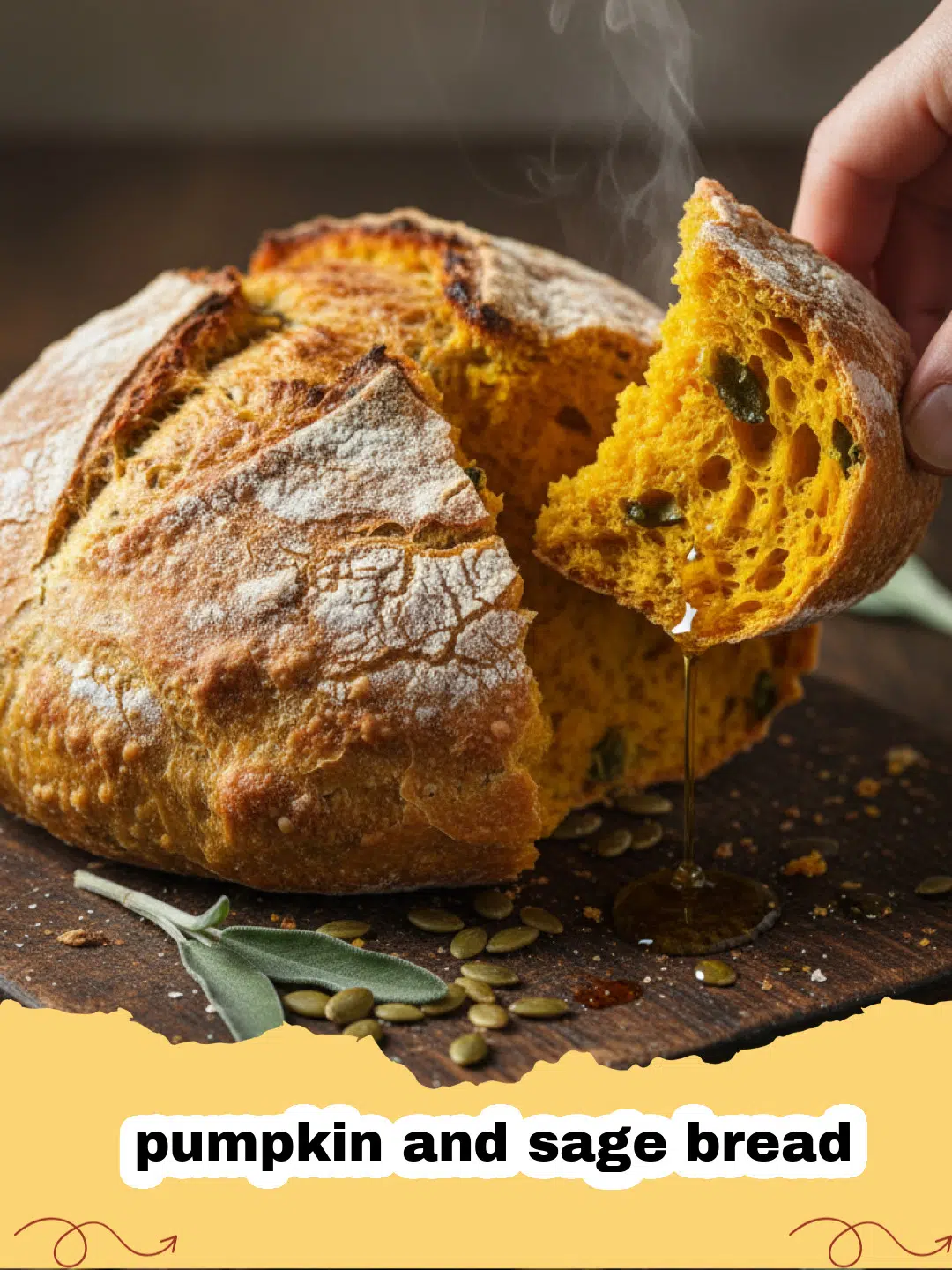
There is nothing quite like the aroma of fresh pumpkin and sage bread wafting through a kitchen on a crisp October morning. My grandmother used to say that certain scents have the power to anchor us to the earth, and for me, the earthy fragrance of sage sizzling in butter, combined with the sweet, humid smell of roasting pumpkin, is exactly that anchor. I remember sitting at her worn oak table, watching her hands expertly fold the herbs into a vibrant orange dough, the sunlight catching the flour dust in the air. That specific pumpkin and sage bread wasn't just food; it was a ritual that signaled the end of harvest and the beginning of fireside stories. Over the years, I have refined her recipe to create what I believe is the perfect balance between the savory punch of the herbs and the subtle sweetness of the gourd. This bread is hearty, aromatic, and carries a golden crust that crackles under your knife, revealing a soft, tender crumb inside.
Why This Recipe is a Must-Try
- Unmatched Flavor Profile: The combination of pumpkin and sage bread offers a unique savory-meets-sweet complexity that sets it apart from standard sweet pumpkin loaves or plain herb breads.
- Perfect Texture: Thanks to the moisture content of the pumpkin puree, this pumpkin and sage bread stays incredibly moist for days, unlike many homemade yeast breads that dry out quickly.
- Versatility in Serving: Whether you are toasted it for breakfast with a poached egg or serving it alongside a bowl of creamy butternut squash soup, this pumpkin and sage bread complements almost any autumnal meal.
- Beautiful Presentation: The natural carotenoids in the pumpkin give this pumpkin and sage bread a stunning, deep golden-orange color that looks magnificent on any dinner table or holiday spread.
If you are looking for more seasonal inspiration after mastering this loaf, you might also enjoy The Ultimate Pumpkin Pecan Cheesecake Bars for Fall as a decadent dessert counterpart to your savory baking session.
Key Ingredient Notes
To ensure your pumpkin and sage bread turns out perfectly every time, choosing the right ingredients is paramount. First and foremost, the pumpkin. While you can certainly roast and puree your own sugar pumpkin, a high-quality canned pumpkin puree (not pumpkin pie filling!) works beautifully and provides a consistent moisture level. The star of the show, however, is the sage. Fresh sage is non-negotiable for this pumpkin and sage bread. Dried sage tends to lose its volatile oils and can taste somewhat dusty, whereas fresh leaves, especially when lightly toasted in butter, provide a bright, woodsy aroma that permeates the entire loaf. Another critical component is the flour; I recommend using a high-protein bread flour rather than all-purpose. This gives the pumpkin and sage bread the structural integrity it needs to support the weight of the dense pumpkin puree, resulting in a better rise and a more satisfying chew. Finally, the fat component—using melted butter instead of oil adds a rich, dairy depth that pairs exquisitely with the sage. I also love to add a touch of honey to the dough, which feeds the yeast and highlights the natural sugars in the pumpkin without making the loaf taste like a dessert.

Step-by-Step Guide with Pro Tips
Making pumpkin and sage bread is a sensory journey that begins with activating your yeast. Start by whisking your warm water with a bit of honey and the yeast. Pro Tip: Ensure your water is between 105°F and 115°F; any hotter and you risk killing the yeast, any cooler and the rise will take forever. Once the yeast is foamy, you'll stir in the pumpkin puree and that fragrant sage butter. The dough for pumpkin and sage bread is notoriously sticky because of the moisture in the pumpkin. Resist the urge to dump in extra flour! Too much flour will lead to a dense, heavy loaf rather than the airy, light crumb we are aiming for. When kneading, use a bench scraper to help handle the dough until it starts to develop gluten and becomes more manageable. If you are using a stand mixer, the dough should eventually pull away from the sides of the bowl but still feel slightly tacky to the touch. The first rise is where the magic happens; give your pumpkin and sage bread plenty of time to double in size in a warm, draft-free spot. After the second rise in the loaf pan, I like to brush the top with an egg wash and press a few whole sage leaves onto the surface. This creates a beautiful visual indicator of what is inside the pumpkin and sage bread once it emerges from the oven. For those who enjoy a bit of extra sweetness in their fall baking, you might also want to try The Ultimate Spiced Pumpkin Blondies with White Chocolate which use a similar spice palette in a sweeter format.
Variations & Serving Suggestions
While the classic pumpkin and sage bread is perfection on its own, there are many ways to adapt it to your preferences. For a bit of crunch, try folding in a half-cup of toasted pepitas (pumpkin seeds) or chopped walnuts during the final stages of kneading. If you want an even more savory profile, a handful of sharp cheddar cheese or some grated Gruyère mixed into the dough creates pockets of melted goodness throughout the pumpkin and sage bread. Regarding serving, this bread is the ultimate vessel for a grilled cheese sandwich featuring brie and sliced apples. It also makes incredible croutons; simply cube any leftover pumpkin and sage bread, toss with olive oil and salt, and bake until crispy to top your favorite salads or stews. To keep your loaf fresh, it is essential to store it correctly. I highly recommend using Basics Glass Food Storage containers to keep the crust from softening too much while maintaining the moisture of the crumb.
Nutrition Information
Understanding the nutritional profile of your pumpkin and sage bread can help you balance your meals throughout the season. Pumpkin is naturally rich in Vitamin A and fiber, making this a slightly more nutritious choice than a standard white loaf. Below is the estimated nutritional breakdown per serving.
| Nutrient | Amount per Serving |
|---|---|
| Calories | 210 kcal |
| Carbohydrates | 34g |
| Protein | 6g |
| Fat | 6g |
| Fiber | 3g |
| Sugars | 4g |
| Sodium | 280mg |
Conclusion
Baking a loaf of pumpkin and sage bread is one of the most rewarding ways to welcome the change of seasons into your home. The combination of the vibrant orange dough and the earthy green flecks of sage creates a loaf that is as beautiful as it is delicious. Whether you are a seasoned baker or a novice looking for a reliable fall recipe, this pumpkin and sage bread offers a straightforward process with spectacular results. Share a slice with a neighbor, serve it at your next dinner party, or simply enjoy it toasted with a generous swipe of salted butter. Happy baking!
FAQs
Can I use dried sage instead of fresh in pumpkin and sage bread?
While you can use dried sage, fresh sage is highly recommended for the best flavor. If you must use dried, use only 2 teaspoons, as dried herbs are more concentrated.
How should I store pumpkin and sage bread to keep it moist?
Store the bread in an airtight container at room temperature for up to 3 days. For longer storage, you can freeze individual slices wrapped in plastic wrap and aluminum foil for up to 3 months.


Why is my pumpkin and sage bread dough so sticky?
The high moisture content of pumpkin puree makes the dough stickier than traditional white bread. Avoid adding too much flour; instead, use lightly oiled hands or a bench scraper during the kneading process.
Does pumpkin and sage bread taste sweet?
This is a savory bread recipe. While the pumpkin and honey provide a very subtle background sweetness, the primary flavor profile is earthy and herbaceous due to the sage and salt.

Savory Pumpkin and Sage Bread
- Total Time: 2 hours 30 minutes
- Yield: 1 loaf (approx 12 slices) 1x
Description
A rustic, savory yeast bread infused with real pumpkin puree and fresh sage leaves. Perfect for autumn dinners and sandwiches.
Ingredients
3 1/2 cups bread flour
1 cup pumpkin puree (not pie filling)
1/4 cup warm water (110°F)
2 1/4 tsp active dry yeast (1 packet)
1 tbsp honey
1 1/2 tsp salt
4 tbsp unsalted butter, melted
2 tbsp fresh sage, finely chopped
1 large egg (for egg wash)
6-8 whole sage leaves (for decoration)
Instructions
Step 1: In a small bowl, combine the warm water, honey, and yeast. Let it sit for 5-10 minutes until the mixture becomes foamy and active.
Step 2: In a small skillet, melt the butter over medium heat. Add the chopped sage and cook for 1-2 minutes until fragrant. Remove from heat and let cool slightly.
Step 3: In a large mixing bowl or the bowl of a stand mixer, combine the pumpkin puree, the sage-butter mixture, and the activated yeast mixture. Stir until well combined.
Step 4: Gradually add the bread flour and salt. If using a stand mixer, use the dough hook and knead on low speed for 5-7 minutes. If mixing by hand, turn the dough onto a floured surface and knead for 10 minutes until smooth and elastic.
Step 5: Place the dough in a lightly greased bowl, cover with a damp cloth, and let rise in a warm place for 60-90 minutes, or until it has doubled in size.
Step 6: Gently punch down the dough and shape it into a loaf. Place it into a greased 9x5 inch loaf pan. Cover and let rise again for 30-45 minutes.
Step 7: Preheat your oven to 375°F (190°C). Brush the top of the loaf with the beaten egg and press the whole sage leaves gently onto the surface for decoration.
Step 8: Bake for 30-35 minutes, or until the loaf is golden brown and sounds hollow when tapped on the bottom. Let it cool in the pan for 10 minutes before transferring to a wire rack to cool completely.
Notes
Ensure your pumpkin puree is at room temperature before adding it to the yeast mixture to avoid stalling the fermentation process.
- Prep Time: 20 minutes
- Cook Time: 35 minutes
- Category: Breads & Doughs
- Cuisine: American
Nutrition
- Serving Size: 1 slice
- Calories: 210 kcal
- Sugar: 4g
- Sodium: 280mg
- Fat: 6g
- Saturated Fat: 3g
- Unsaturated Fat: 2g
- Trans Fat: 0g
- Carbohydrates: 34g
- Fiber: 3g
- Protein: 6g
- Cholesterol: 25mg
Related posts:
 Blueberry Fluffy Cottage Cheese Cloud Bread: Light, Sweet & Protein-Packed
 The Ultimate Soft & Fluffy Condensed Milk Bread Rolls: A Melt-in-Your-Mouth Recipe
 Irresistible Cinnamon Sugar Cream Cheese Rolls: Fluffy, Sweet & Utterly Decadent!
 No-Oven Stovetop Bread: Easy Homemade Bread Without an Oven!

Leave a Reply