
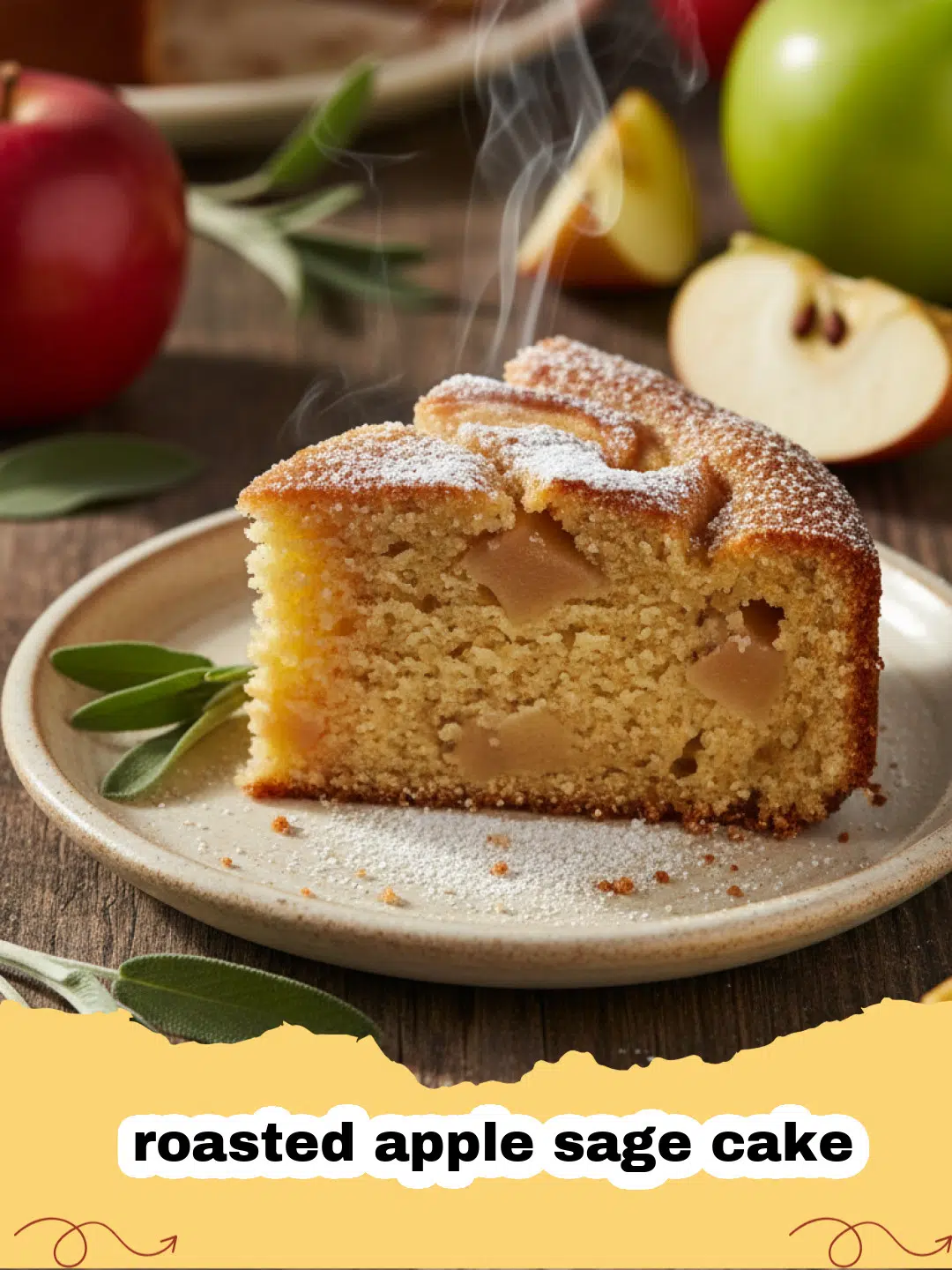
A roasted apple sage cake is the kind of dessert that fills your home with a scent so inviting it feels like a warm hug on a crisp autumn afternoon. Every time I prepare this roasted apple sage cake, I am instantly transported back to my grandmother’s kitchen during the late October harvest. There is something truly magical about the way the earthy, slightly peppery aroma of fresh sage intertwines with the sugary, caramelized scent of roasting fruit. This roasted apple sage cake isn't just a dessert; it's a sensory experience that perfectly defines the transition from the golden days of summer into the chilly, sweater-weather embrace of fall. I remember the first time I experimented with adding savory herbs to my fruit-based bakes—it felt like a daring culinary rebellion. However, one single bite of this roasted apple sage cake was enough to convince me that herbs like sage belong in the world of sweets just as much as traditional spices like cinnamon or nutmeg. It creates a depth of flavor that is sophisticated, grounded, and incredibly comforting, making it the ideal centerpiece for a festive dinner or a quiet Sunday brunch.
Why This Roasted Apple Sage Cake is a Must-Try
If you are looking for a recipe that stands out from the standard spice cakes of the season, this roasted apple sage cake is exactly what you need. Here is why this particular bake deserves a spot in your recipe box:
- Unique Flavor Profile: The combination of honey-sweet roasted apples and the aromatic, earthy notes of sage creates a complex taste that surprises and delights the palate.
- Moist and Tender Texture: By roasting the apples before adding them to the batter, we concentrate their juices and soften their fibers, ensuring every slice of this roasted apple sage cake is incredibly moist.
- Versatility: While it feels sophisticated enough for a dinner party, this roasted apple sage cake is simple enough to serve as an afternoon snack or even a decadent breakfast.
- Natural Sweetness: Roasting the apples brings out their natural sugars, allowing us to use less refined sugar in the batter without sacrificing flavor.
Key Ingredient Notes for Success
To get the most out of your roasted apple sage cake, the quality and type of ingredients you choose will make a significant difference. Here are the most important components to consider:
The Perfect Apples
For this roasted apple sage cake, you want an apple that can hold its shape during the roasting process but also softens enough to blend into the batter. I highly recommend using Granny Smith for a tart contrast or Honeycrisp for a sweeter, more floral note. If you enjoy experimenting with different fruit profiles, you might also find inspiration in The Ultimate Spiced Apple Cranberry Cake for Cozy Autumn Days, which explores the tartness of cranberries paired with apples. In our roasted apple sage cake, roasting the fruit first is the secret to unlocking a deep caramel flavor that raw apples simply cannot provide.
Fresh vs. Dried Sage
While dried herbs have their place, this roasted apple sage cake truly demands fresh sage leaves. Fresh sage has a soft, velvety texture and a bright, pine-like citrusy aroma that translates beautifully into the crumb of the cake. When you finely mince the fresh leaves, they distribute evenly, providing a subtle savory undertone that complements the sweetness of the fruit. Be careful not to overdo it; the goal is a balanced roasted apple sage cake where the herb supports the fruit rather than overpowering it. If you have leftovers, they are best stored in Basics Glass Food Storage to keep the aromatic oils from dissipating.

Step-by-Step Guide to the Perfect Roasted Apple Sage Cake
Creating this roasted apple sage cake is a two-part process that ensures maximum flavor. We begin by roasting the apples to concentrate their essence before folding them into a rich, buttery batter. This technique sets our roasted apple sage cake apart from standard apple cakes that often turn out soggy from raw fruit moisture.
Phase 1: Roasting the Fruit
Start by peeling and cubing your apples into half-inch pieces. Toss them with a bit of melted butter, a touch of brown sugar, and a few whole sage leaves on a baking sheet. Roast them until they are golden brown and slightly caramelized around the edges. This step is crucial because it removes excess water, preventing your roasted apple sage cake from becoming gummy. Once roasted, remove the whole sage leaves and let the apples cool slightly.
Phase 2: Preparing the Batter
While the apples cool, cream together your butter and sugar until light and fluffy. This step incorporates air, which is vital for a light roasted apple sage cake. Gradually add your eggs and vanilla. In a separate bowl, whisk together your flour, baking powder, and salt. Fold the dry ingredients into the wet, being careful not to overmix. Finally, gently fold in your roasted apples and the finely minced fresh sage. The batter for your roasted apple sage cake will be thick and fragrant.
Pro Tip for Baking
Bake your roasted apple sage cake until a skewer inserted into the center comes out clean. If the top begins to brown too quickly, tent it loosely with foil. Let the cake cool in the pan for at least 15 minutes before transferring it to a wire rack. This allows the structure of the roasted apple sage cake to set, ensuring perfect slices every time.
Variations and Serving Suggestions
This roasted apple sage cake is wonderful on its own, but you can easily adapt it to suit your preferences. For a bit of crunch, consider adding a half-cup of toasted walnuts or pecans to the batter. If you prefer a more morning-centric treat, much like The Most Fragrant Pear Walnut Streusel Muffins for a Cozy Morning, you can add a simple cinnamon streusel topping before baking. Serving the roasted apple sage cake warm with a dollop of salted caramel sauce or a scoop of vanilla bean ice cream turns it into an elegant plated dessert. For a more rustic approach, a simple dusting of powdered sugar is all this roasted apple sage cake needs to shine.
Nutrition Information
Understanding the nutritional profile of your roasted apple sage cake helps you enjoy it as part of a balanced lifestyle. Below are the estimated values per serving for this delicious bake.


| Nutrient | Amount per Serving |
|---|---|
| Calories | 310 kcal |
| Carbohydrates | 42g |
| Protein | 4g |
| Fat | 14g |
| Saturated Fat | 8g |
| Fiber | 3g |
| Sugar | 24g |
| Sodium | 210mg |
Conclusion
Mastering the roasted apple sage cake is a rewarding journey for any home baker. It challenges the conventional boundaries of dessert by introducing earthy herbs into a sweet context, resulting in a sophisticated and deeply satisfying treat. Whether you are hosting a festive dinner or simply looking for a way to use up a harvest of fresh apples, this roasted apple sage cake is a reliable and impressive choice. I hope this roasted apple sage cake becomes a staple in your kitchen, bringing as much joy and comfort to your table as it has to mine. Happy baking!
FAQs
Can I use dried sage instead of fresh in this roasted apple sage cake?
While you can use dried sage, fresh sage is highly recommended for the best flavor profile. If using dried, reduce the amount to 1 teaspoon as it is more concentrated.
How should I store my roasted apple sage cake?
Store the cake in an airtight container at room temperature for up to 2 days, or in the refrigerator for up to 5 days. It also freezes well for up to 3 months.
What are the best apples for a roasted apple sage cake?
Firm, tart-sweet apples like Granny Smith, Honeycrisp, or Braeburn are best because they maintain their structure when roasted.

Roasted Apple Sage Cake
- Total Time: PT1H10M
- Yield: 10 servings 1x
Description
A sophisticated and moist cake featuring caramelized roasted apples and the earthy, aromatic touch of fresh sage.
Ingredients
3 large Granny Smith or Honeycrisp apples, peeled and cubed
2 tablespoons unsalted butter, melted (for roasting)
1 tablespoon brown sugar (for roasting)
1/2 cup unsalted butter, softened
3/4 cup granulated sugar
2 large eggs
1 teaspoon vanilla extract
1 1/2 cups all-purpose flour
1 1/2 teaspoons baking powder
1/2 teaspoon salt
1 tablespoon fresh sage, finely minced
1/4 cup whole milk
Instructions
Step 1: Preheat your oven to 400°F (200°C). Toss the cubed apples with 2 tablespoons of melted butter and 1 tablespoon of brown sugar on a parchment-lined baking sheet.
Step 2: Roast the apples for 15-20 minutes until golden and tender. Remove from the oven and let cool to room temperature. Reduce oven heat to 350°F (175°C).
Step 3: In a large bowl, cream together the 1/2 cup softened butter and 3/4 cup granulated sugar until pale and fluffy.
Step 4: Beat in the eggs one at a time, followed by the vanilla extract.
Step 5: In a separate bowl, whisk together the flour, baking powder, and salt.
Step 6: Gradually add the dry ingredients to the butter mixture, alternating with the milk, until just combined.
Step 7: Gently fold in the roasted apples and the finely minced fresh sage.
Step 8: Pour the batter into a greased 9-inch cake pan and bake for 30-35 minutes, or until a toothpick comes out clean.
Step 9: Allow the roasted apple sage cake to cool in the pan for 15 minutes before transferring to a wire rack.
Notes
Ensure the apples are completely cooled before adding them to the batter to prevent the butter from melting prematurely.
- Prep Time: PT20M
- Cook Time: PT50M
- Category: Desserts & Baked Goods
- Cuisine: American
Nutrition
- Serving Size: 1 slice
- Calories: 310 kcal
- Sugar: 24g
- Sodium: 210mg
- Fat: 14g
- Saturated Fat: 8g
- Unsaturated Fat: 5g
- Trans Fat: 0g
- Carbohydrates: 42g
- Fiber: 3g
- Protein: 4g
- Cholesterol: 65mg



Leave a Reply