
Introduction
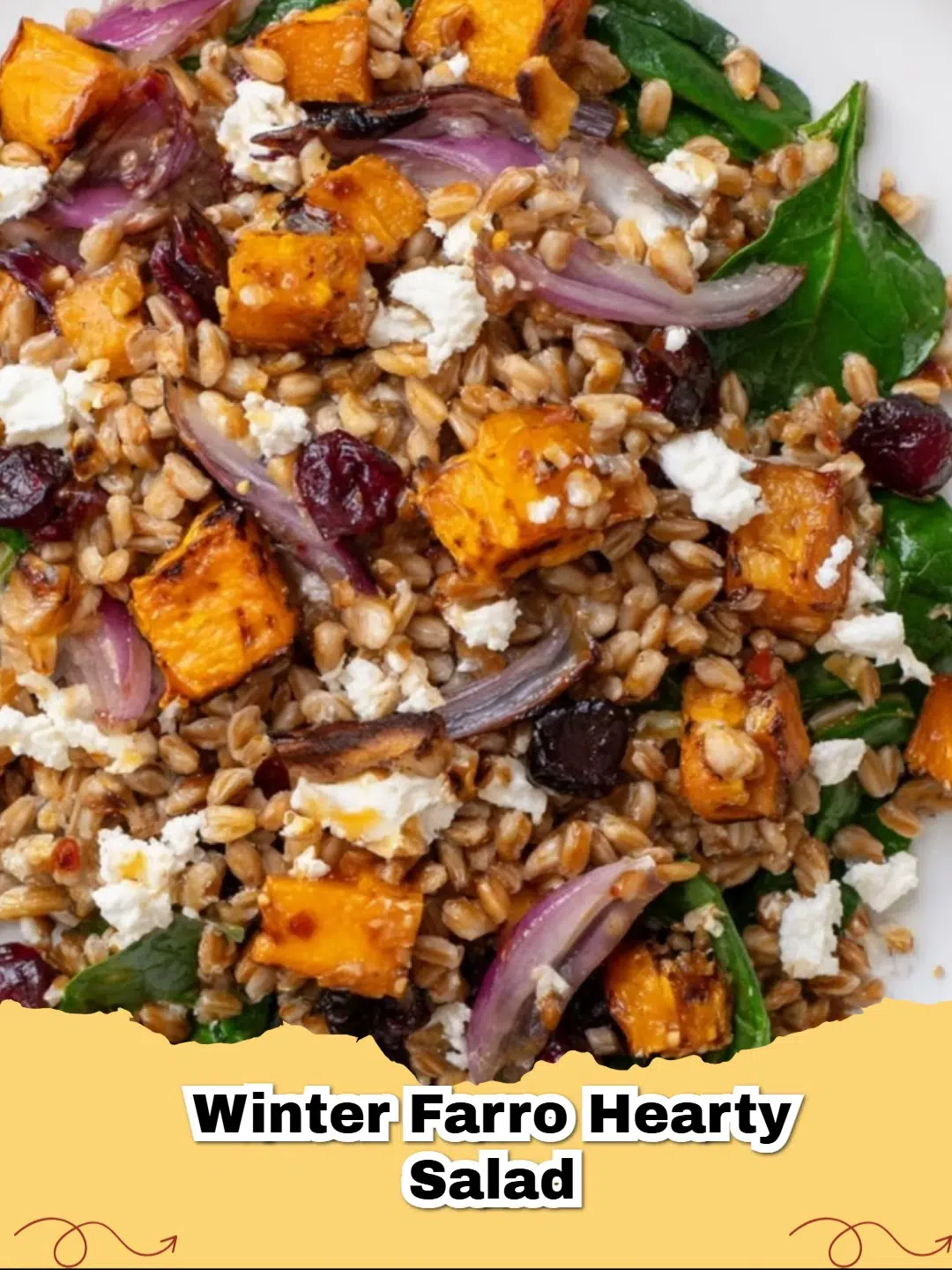
Roasted Winter Vegetable Farro Salad is the ultimate way to embrace the colder months with a plate full of vibrant colors and deep, earthy textures. As the temperature drops, our bodies naturally crave grounding foods that provide lasting energy, and this salad delivers exactly that. Combining the ancient chewiness of farro with the caramelized sweetness of oven-roasted root vegetables, this dish transforms simple pantry staples into a gourmet experience. Whether you are looking for a stand-alone lunch or a impressive side dish for a holiday gathering, the Roasted Winter Vegetable Farro Salad offers a sophisticated balance of savory, sweet, and tangy notes. It is a testament to how seasonal produce can shine when paired with the right grain and a perfectly emulsified vinaigrette.
When we think of winter salads, we often overlook the potential of warm grains. Farro, an ancient hulled wheat, serves as a robust base that doesn't wilt under the weight of roasted sweet potatoes and butternut squash. This Roasted Winter Vegetable Farro Salad is not just a meal; it is a celebration of the winter harvest. For those who enjoy a warming bowl of Healthy Homemade Vegetable Soup, this salad provides a similar level of comfort but with an added crunch and a bright, zesty finish. The combination of textures—from the creamy feta to the crunchy pepitas—ensures that every forkful is a new discovery of flavor.
The Ancient Roots: Why Farro is the King of Grains
Before we dive into the specifics of our Roasted Winter Vegetable Farro Salad, it is essential to understand the history and nutritional profile of its star ingredient. Farro has been cultivated for thousands of years, originating in the Fertile Crescent of Mesopotamia. It was a staple in the diets of Roman legions, valued for its ability to provide sustained energy during long marches. Unlike modern processed grains, farro retains its bran and germ, which are packed with fiber, protein, and essential minerals like magnesium and iron. When you eat a Roasted Winter Vegetable Farro Salad, you are connecting with a culinary tradition that spans millennia.
The texture of farro is perhaps its most defining characteristic. It has a delightful 'pop' when you bite into it, similar to barley but with a deeper, nuttier flavor. This makes it an ideal companion for the soft, melt-in-your-mouth quality of roasted squash. Furthermore, farro is incredibly versatile. It absorbs dressings beautifully without becoming soggy, which is a common pitfall for rice or quinoa-based salads. In our Roasted Winter Vegetable Farro Salad, the grain acts as a sponge for the apple cider vinaigrette, ensuring that the tangy acidity is distributed throughout the entire dish. If you are a fan of varied textures, you might also appreciate the complexity found in The Most Addictive Crunchy Asian Cabbage Salad with Lime Ginger Dressing You’ll Ever Crave, though the farro offers a much heartier, warmer profile.
Why You’ll Love It
You will love this Roasted Winter Vegetable Farro Salad because it bridges the gap between health and indulgence. It feels like a 'hug in a bowl' due to the warm, roasted elements, yet it is light enough to leave you feeling energized rather than sluggish. The contrast of the hot vegetables against the fresh baby kale creates a dynamic eating experience that typical cold salads simply cannot match. Additionally, this Roasted Winter Vegetable Farro Salad is incredibly forgiving and customizable. You can swap the vegetables based on what is in your crisper drawer, making it a sustainable and cost-effective choice for busy weeknights.
Another reason this Roasted Winter Vegetable Farro Salad is a winner is its exceptional shelf life. Many salads become unappealing after just an hour in the fridge, but the farro actually improves as it sits. The flavors meld together, and the grain softens slightly while retaining its structure. This makes it a premier choice for meal prepping. You can prepare a large batch of the Roasted Winter Vegetable Farro Salad on a Sunday and enjoy nutritious, gourmet lunches throughout the entire work week without any loss in quality or taste.
The Science of Roasting Winter Produce
Roasting is the secret weapon of the Roasted Winter Vegetable Farro Salad. When you subject root vegetables like sweet potatoes and butternut squash to high heat, a process called the Maillard reaction occurs. This chemical reaction between amino acids and reducing sugars creates that signature brown crust and deep, complex flavor profile. In our Roasted Winter Vegetable Farro Salad, the red onions become translucent and sweet, losing their sharp bite and becoming almost jam-like in consistency. This sweetness is perfectly balanced by the salty feta and the acidic vinaigrette.
To achieve the perfect roast for your Roasted Winter Vegetable Farro Salad, space is key. If you crowd the baking sheet, the vegetables will steam instead of roast, resulting in a mushy texture. By giving each piece of squash and sweet potato its own little island of space, you allow the hot air to circulate, creating those desirable crispy edges. These charred bits are essentially 'flavor bombs' that elevate the Roasted Winter Vegetable Farro Salad from a simple grain bowl to a restaurant-quality dish. To learn more about the nutritional benefits of these ingredients, check out high-authority sources on farro health benefits.
Ingredients
The success of the Roasted Winter Vegetable Farro Salad depends on high-quality, fresh ingredients. Here is what you will need:
- 1 cup dry farro
- 3 cups water or vegetable broth
- 0.5 teaspoon salt
- 1 medium sweet potato, peeled and diced
- 1 small butternut squash, peeled and diced
- 1 red onion, cut into wedges
- 2 tablespoons olive oil
- 0.5 teaspoon ground black pepper
- 0.5 teaspoon salt (for vegetables)
- 1 teaspoon dried thyme or rosemary
- 0.5 cup crumbled feta cheese
- 0.33 cup dried cranberries or cherries
- 0.25 cup toasted pumpkin seeds (pepitas)
- 2 cups baby kale or baby spinach
- 3 tablespoons extra virgin olive oil (for dressing)
- 2 tablespoons apple cider vinegar
- 1 tablespoon maple syrup or honey
- 1 teaspoon Dijon mustard
Notes and Substitutions
If you cannot find farro, pearl barley or wheat berries make excellent substitutes for this Roasted Winter Vegetable Farro Salad. For a gluten-free version, consider using sorghum or even a sturdy brown rice. When it comes to the greens, baby arugula adds a peppery kick that complements the sweetness of the squash. If you prefer a nuttier crunch, swapped the pepitas for toasted walnuts or pecans to give the Roasted Winter Vegetable Farro Salad a different seasonal flair.
Equipment
To make the best Roasted Winter Vegetable Farro Salad, you will need a large rimmed baking sheet for roasting the vegetables, a medium saucepan for cooking the grain, and a small jar or bowl for whisking the vinaigrette. Using a sharp Quality Chef's Knife will make dicing the squash much easier and safer.
Instructions
Follow these steps to create your masterpiece:
- Preheat your oven to 400°F (200°C). In a large bowl, toss the diced sweet potato, butternut squash, and red onion with 2 tablespoons of olive oil, salt, pepper, and dried herbs.
- Spread the vegetables in a single layer on a baking sheet. Roast for 25-30 minutes, tossing halfway through, until tender and slightly browned on the edges.
- While the vegetables roast, combine the farro and water (or broth) in a saucepan. Bring to a boil, then reduce heat and simmer until the farro is tender but still chewy, about 20 minutes. Drain any excess liquid.
- In a small jar, combine the extra virgin olive oil, apple cider vinegar, maple syrup, and Dijon mustard. Shake vigorously until the dressing is emulsified.
- In a large serving bowl, combine the cooked farro, roasted vegetables, and baby kale. The heat from the vegetables will slightly wilt the kale.
- Fold in the feta cheese, dried cranberries, and toasted pumpkin seeds. Drizzle with the dressing and toss gently to coat the Roasted Winter Vegetable Farro Salad.
Pro Tips
For the absolute best Roasted Winter Vegetable Farro Salad, try toasting your dry farro in a dry pan for 2-3 minutes before adding the water. This intensifies the nutty aroma of the grain. Additionally, always dress the salad while the farro is still slightly warm; the grain will absorb the vinaigrette much more effectively than when it is cold. If you find your squash is taking too long to roast, ensure the pieces are cut into uniform 1/2-inch cubes. This ensures everything in the Roasted Winter Vegetable Farro Salad cooks at the same rate. Finally, don't skip the Dijon mustard in the dressing—it acts as an emulsifier to keep the oil and vinegar from separating.
Serving, Storage & Variations
Serve the Roasted Winter Vegetable Farro Salad warm or at room temperature for the best experience. It pairs beautifully with grilled chicken or roasted salmon, but it is certainly hearty enough to stand alone. For storage, keep the Roasted Winter Vegetable Farro Salad in an airtight container in the refrigerator for up to 4 days. If the salad feels a bit dry after being refrigerated, simply add a tiny splash of olive oil or apple cider vinegar to revive the flavors. For a variation, try adding roasted beets for an extra earthy depth, or swap the feta for goat cheese for a creamier, more luxurious texture that melts into the warm grains of the Roasted Winter Vegetable Farro Salad.


Nutrition Information
This Roasted Winter Vegetable Farro Salad is a nutrient-dense powerhouse. Below is the estimated nutritional content per serving based on four servings per recipe.
| Nutrient | Amount |
|---|---|
| Calories | 450 kcal |
| Protein | 12g |
| Carbohydrates | 65g |
| Fat | 18g |
| Fiber | 9g |
| Sodium | 420mg |
Note: The nutritional information provided above is an estimate based on standard ingredient calculations and may vary depending on specific brands or substitutions used.
Conclusion
In conclusion, the Roasted Winter Vegetable Farro Salad is more than just a side dish; it is a wholesome, flavor-packed experience that highlights the best of the season. With its combination of ancient grains, caramelized roots, and a bright dressing, it satisfies every craving while providing essential nutrients. We hope this Roasted Winter Vegetable Farro Salad becomes a staple in your winter kitchen rotation. It is the perfect meal to share with loved ones during a cozy night in. Don't forget to experiment with your favorite seasonal additions to make this Roasted Winter Vegetable Farro Salad truly your own!
FAQs
Can I make this salad ahead of time?
Yes, Roasted Winter Vegetable Farro Salad is excellent for meal prep. The farro absorbs the dressing over time, making it even more flavorful the next day. Store it in an airtight container for up to 4 days.
What is the best type of farro to use?
Pearled farro is the most common and quickest to cook (about 15-20 minutes). If you use whole-grain farro, you will need to soak it overnight and increase the cooking time to about 40 minutes.
Can I make this recipe vegan?
Absolutely. To make this Roasted Winter Vegetable Farro Salad vegan, simply omit the feta cheese or replace it with a plant-based feta alternative, and ensure you use maple syrup instead of honey in the dressing.
How do I prevent the farro from becoming mushy?
To maintain a pleasant chewy texture, cook the farro 'al dente' and drain any excess water immediately. Rinsing it under cold water after draining helps stop the cooking process.

Roasted Winter Vegetable Farro Salad
- Total Time: 45 minutes
- Yield: 4 servings 1x
- Diet: Vegetarian
Description
A hearty, nutrient-dense grain salad featuring nutty farro and caramelized seasonal root vegetables tossed in a maple-cider vinaigrette.
Ingredients
1 cup dry farro
3 cups water or vegetable broth
0.5 teaspoon salt
1 medium sweet potato, peeled and diced
1 small butternut squash, peeled and diced
1 red onion, cut into wedges
2 tablespoons olive oil
0.5 teaspoon ground black pepper
0.5 teaspoon salt
1 teaspoon dried thyme or rosemary
0.5 cup crumbled feta cheese
0.33 cup dried cranberries or cherries
0.25 cup toasted pumpkin seeds (pepitas)
2 cups baby kale or baby spinach
3 tablespoons extra virgin olive oil
2 tablespoons apple cider vinegar
1 tablespoon maple syrup or honey
1 teaspoon Dijon mustard
Salt and pepper to taste
Instructions
Step 1: Preheat oven to 400°F (200°C). Toss diced sweet potato, butternut squash, and red onion wedges with 2 tablespoons olive oil, salt, pepper, and dried herbs on a large baking sheet.
Step 2: Roast the vegetables for 25-30 minutes, tossing once halfway through, until they are tender and caramelized.
Step 3: While vegetables roast, bring 3 cups of water or broth and 0.5 tsp salt to a boil in a medium pot. Add 1 cup dry farro, reduce heat, and simmer for 15-20 minutes until tender. Drain well.
Step 4: Whisk together 3 tablespoons olive oil, apple cider vinegar, maple syrup, and Dijon mustard in a small bowl until smooth.
Step 5: In a large bowl, combine the warm farro, roasted vegetables, and baby kale. The residual heat will wilt the kale perfectly.
Step 6: Gently fold in the feta cheese, dried cranberries, and pumpkin seeds. Drizzle the vinaigrette over the salad and toss to combine.
Notes
To make this vegan, swap the feta for toasted almonds and ensure you use maple syrup.
- Prep Time: 15 minutes
- Cook Time: 30 minutes
- Category: Main Course
- Method: Roasting
- Cuisine: American
Nutrition
- Serving Size: 1.5 cups
- Calories: 450 kcal
- Sugar: 12g
- Sodium: 420mg
- Fat: 18g
- Saturated Fat: 4g
- Unsaturated Fat: 12g
- Trans Fat: 0g
- Carbohydrates: 65g
- Fiber: 9g
- Protein: 12g
- Cholesterol: 15mg



Leave a Reply