
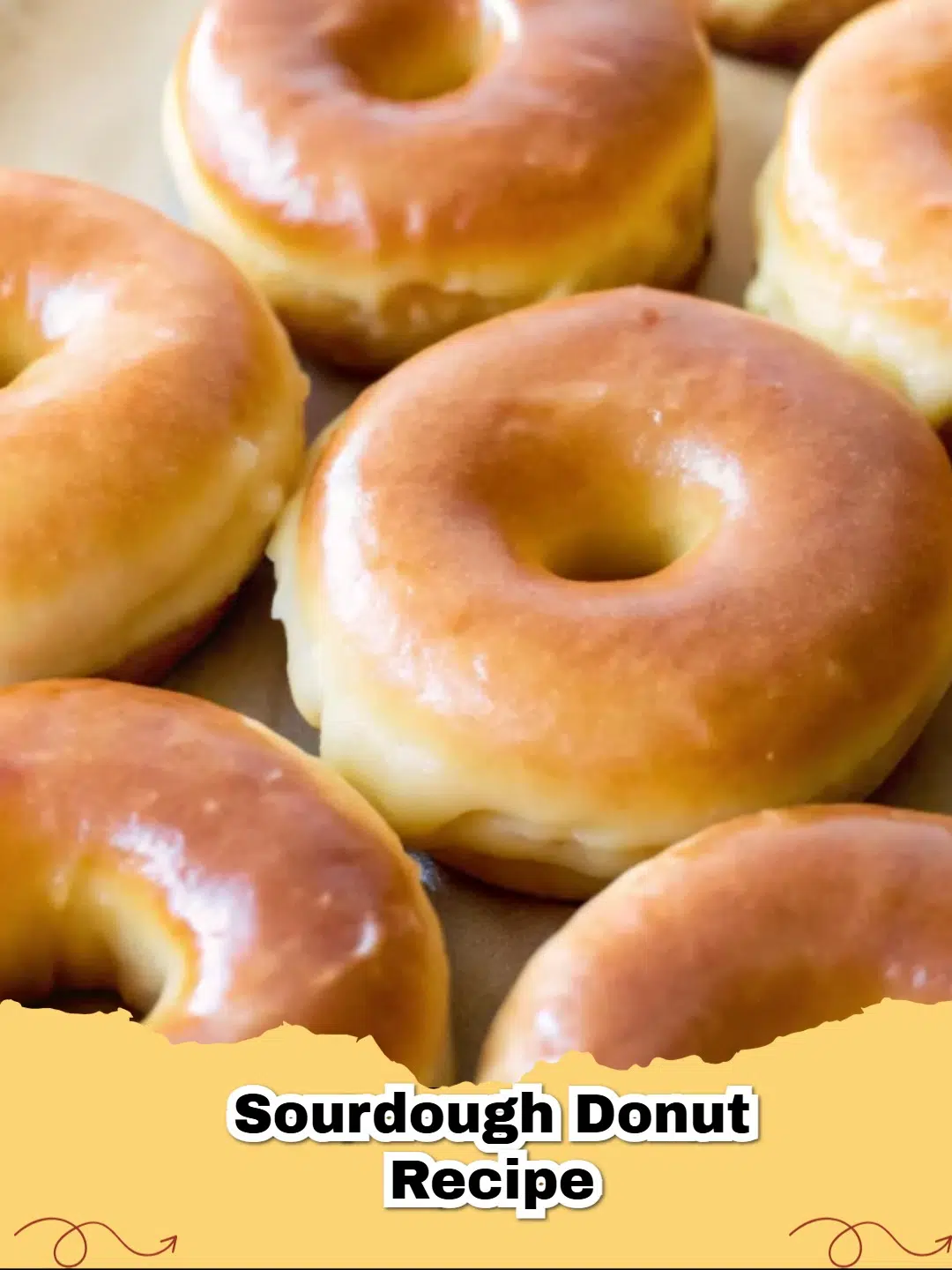
Are you ready to transform your trusty sourdough starter into something utterly decadent? Forget bread for a moment and prepare to fall in love with homemade sourdough donuts! These aren't just any donuts; they're incredibly fluffy, beautifully airy, and carry a delightful, subtle tang that sets them apart from your average fried dough.
Making donuts at home can seem intimidating, but with the magic of sourdough, the process is surprisingly rewarding. The slow fermentation not only develops incredible flavor but also contributes to an unbelievably light texture, making these donuts simply irresistible. Perfect for a weekend brunch, a special treat, or just because you have an active starter begging to be used!
Why You'll Love This Sourdough Donut Recipe
This recipe takes the humble donut to a new level. The sourdough starter works its magic overnight, giving the dough a deep flavor profile and a superior texture that is both tender and slightly chewy. There's an immense satisfaction that comes from frying up your own golden-brown donuts, fresh and warm from the oil.
- Unique Flavor: That signature sourdough tang beautifully complements the sweetness of the donut and any glaze.
- Incredibly Fluffy: The long fermentation results in a remarkably light and airy crumb.
- Rewarding Project: A fantastic way to utilize your active sourdough starter beyond bread.
- Customizable: Easy to finish with your favorite glazes, cinnamon sugar, or powdered sugar.
Key Ingredients You'll Need
The beauty of this recipe lies in its simplicity, using ingredients you likely already have on hand. The star, of course, is your active sourdough starter!
Active Sourdough Starter is a Must!
For the best results, ensure your sourdough starter is active and bubbly. This means it should have been fed 4-12 hours prior and should be at its peak – showing plenty of activity and bubbles. A strong starter is crucial for the rise and texture of these fried delights.
- Warm Milk: Helps activate the yeast in your starter and creates a soft dough.
- Active Sourdough Starter: The star of the show, providing flavor and leavening.
- Granulated Sugar: Sweetens the dough and feeds the yeast.
- Large Eggs: Add richness and help bind the dough.
- Unsalted Butter: Softened butter makes the donuts tender and flavorful.
- All-Purpose Flour: The structure of our donuts.
- Salt: Balances the sweetness and enhances flavor.
- Vanilla Extract: A touch of warmth and classic donut flavor.
- Ground Nutmeg (optional): A traditional donut spice that adds wonderful aroma.
- Vegetable Oil (for frying): Essential for achieving that perfect golden-brown crisp exterior.
- Powdered Sugar, Milk/Cream, Vanilla (for glaze): For a simple, sweet finish.
Step-by-Step: How to Make Sourdough Donuts
Making sourdough donuts involves a few key stages: mixing the dough, an overnight proof, shaping, a final proof, and finally, frying. Follow these steps for donut perfection!
Preparing Your Dough
- Step 1: In a large bowl, combine 1 cup (240ml) warm milk, ½ cup (113g) active sourdough starter, ¼ cup (50g) granulated sugar, and 2 large eggs. Whisk until well combined.
- Step 2: Add 3 ½ cups (440g) all-purpose flour, ½ tsp salt, 4 tbsp (57g) softened unsalted butter, 1 tsp vanilla extract, and 1 tsp ground nutmeg (if using) to the wet ingredients.
- Step 3: Mix with a spoon or your hands until a shaggy dough forms. Turn the dough out onto a lightly floured surface and knead for 8-10 minutes until smooth and elastic. The dough will be soft.
- Step 4: Place the dough in a lightly oiled bowl, cover tightly with plastic wrap or a damp towel, and refrigerate for 12-18 hours for a slow fermentation. This overnight proof develops the best flavor.
Shaping and Proofing
- Step 5: The next day, remove the dough from the refrigerator. On a lightly floured surface, gently roll the dough out to about ½-inch thickness. You might find a quality chef's knife helpful for dividing sections of dough.
- Step 6: Use a 3-inch donut cutter or two round cutters (one larger for the donut, one smaller for the hole) to cut out your donuts. Gather the scraps, gently re-knead them, let rest for 10 minutes, and cut out more donuts.
- Step 7: Place the cut donuts and donut holes on parchment-lined baking sheets, leaving space between each. Loosely cover with plastic wrap or a clean kitchen towel.
- Step 8: Let the donuts proof in a warm spot for 1-2 hours, or until visibly puffy and slightly larger. They should pass the 'poke test' – when gently poked, the indentation should spring back slowly.
Frying for Perfection
- Step 9: While the donuts are proofing, prepare your frying setup. Fill a heavy-bottomed pot or Dutch oven with 2-3 inches of vegetable oil. Heat the oil to 350-375°F (175-190°C) using a kitchen thermometer to monitor.
- Step 10: Carefully slide 2-3 donuts into the hot oil (do not overcrowd the pot). Fry for 1-2 minutes per side, or until golden brown.
- Step 11: Using a slotted spoon or spider, transfer the fried donuts to a wire rack set over a baking sheet to drain any excess oil. Repeat with the remaining donuts and holes, ensuring the oil temperature stays consistent.
Glaze & Finishing Touches
- Step 12: While the donuts are cooling slightly, prepare your glaze. In a small bowl, whisk together 1 ½ cups powdered sugar, 2-3 tbsp milk or cream, and ½ tsp vanilla extract until smooth. Add more milk if you prefer a thinner glaze.
- Step 13: Dip the warm (but not hot) donuts into the glaze, letting any excess drip off, then return them to the wire rack. You can also toss them in cinnamon sugar or dust with powdered sugar.
- Step 14: Let the glaze set for a few minutes before serving. Enjoy your incredible homemade sourdough donuts!
Tips for the Best Sourdough Donuts
- Don't Overcrowd the Pot: Fry donuts in small batches to maintain consistent oil temperature and ensure even cooking.
- Monitor Oil Temperature: A kitchen thermometer is your best friend here. If the oil is too cold, donuts will be greasy; too hot, they'll burn before cooking through.
- Patience with Proofing: The second proof is crucial for light, airy donuts. Don't rush it!
- Cooling Rack is Key: This allows air to circulate, preventing the bottoms from becoming soggy.
- Experiment with Flavor: Try adding citrus zest to the dough or glaze for a bright twist.
Frequently Asked Questions (FAQ)
Have more questions about making sourdough donuts? We've got answers!
What makes sourdough donuts different from regular donuts?
Sourdough donuts boast a unique, subtle tanginess and an incredibly light, airy texture thanks to the long fermentation process of the sourdough starter. This fermentation also adds complexity to the flavor.
Can I use discard sourdough starter for this recipe?
For the best rise and texture in your donuts, it's highly recommended to use active, fed sourdough starter. Discard starter, while flavorful, typically doesn't have enough leavening power to create fluffy fried donuts.
What's the best oil for frying sourdough donuts?
Vegetable oil, canola oil, or peanut oil are all excellent choices for frying donuts. They have high smoke points and neutral flavors that won't overpower your delicious sourdough taste. Ensure the oil is maintained at 350-375°F (175-190°C).
How long do homemade sourdough donuts stay fresh?
Sourdough donuts are absolutely best enjoyed fresh on the day they are made. While they can be stored in an airtight container at room temperature for up to two days, their texture will soften over time.
Ready to Fry Up Some Sourdough Magic?
This sourdough donut recipe is a truly special way to enjoy the fruits of your starter's labor. The result is a batch of donuts that are far superior to anything you'll buy, with a homemade touch and an irresistible flavor that will have everyone asking for more. So grab your active starter, roll up your sleeves, and get ready for a delicious adventure!


FAQs
What makes sourdough donuts different from regular donuts?
Sourdough donuts boast a unique, subtle tanginess and an incredibly light, airy texture thanks to the long fermentation process of the sourdough starter. This fermentation also adds complexity to the flavor.
Can I use discard sourdough starter for this recipe?
For the best rise and texture in your donuts, it's highly recommended to use active, fed sourdough starter. Discard starter, while flavorful, typically doesn't have enough leavening power to create fluffy fried donuts.
What's the best oil for frying sourdough donuts?
Vegetable oil, canola oil, or peanut oil are all excellent choices for frying donuts. They have high smoke points and neutral flavors that won't overpower your delicious sourdough taste. Ensure the oil is maintained at 350-375u00b0F (175-190u00b0C).
How long do homemade sourdough donuts stay fresh?
Sourdough donuts are absolutely best enjoyed fresh on the day they are made. While they can be stored in an airtight container at room temperature for up to two days, their texture will soften over time.

Sourdough Donut Recipe
- Total Time: Overnight + 45 minutes
- Yield: 12-15 donuts 1x
- Diet: Contains dairy and eggs
Description
A delightfully airy and tangy sourdough donut recipe that turns your active starter into a sweet, fried treat perfect for breakfast or dessert.
Ingredients
1 cup (240ml) warm milk
½ cup (113g) active sourdough starter
¼ cup (50g) granulated sugar
2 large eggs
4 tbsp (57g) unsalted butter, softened
3 ½ cups (440g) all-purpose flour
½ tsp salt
1 tsp vanilla extract
1 tsp ground nutmeg (optional)
Vegetable oil, for frying
1 ½ cups powdered sugar (for glaze)
2-3 tbsp milk or cream (for glaze)
½ tsp vanilla extract (for glaze)
Instructions
Step 1: In a large bowl, combine 1 cup (240ml) warm milk, ½ cup (113g) active sourdough starter, ¼ cup (50g) granulated sugar, and 2 large eggs. Whisk until well combined.
Step 2: Add 3 ½ cups (440g) all-purpose flour, ½ tsp salt, 4 tbsp (57g) softened unsalted butter, 1 tsp vanilla extract, and 1 tsp ground nutmeg (if using) to the wet ingredients.
Step 3: Mix with a spoon or your hands until a shaggy dough forms. Turn the dough out onto a lightly floured surface and knead for 8-10 minutes until smooth and elastic. The dough will be soft.
Step 4: Place the dough in a lightly oiled bowl, cover tightly with plastic wrap or a damp towel, and refrigerate for 12-18 hours for a slow fermentation.
Step 5: The next day, remove the dough from the refrigerator. On a lightly floured surface, gently roll the dough out to about ½-inch thickness.
Step 6: Use a 3-inch donut cutter or two round cutters (one larger for the donut, one smaller for the hole) to cut out your donuts. Gather the scraps, gently re-knead them, let rest for 10 minutes, and cut out more donuts.
Step 7: Place the cut donuts and donut holes on parchment-lined baking sheets, leaving space between each. Loosely cover with plastic wrap or a clean kitchen towel.
Step 8: Let the donuts proof in a warm spot for 1-2 hours, or until visibly puffy and slightly larger. They should pass the 'poke test' – when gently poked, the indentation should spring back slowly.
Step 9: While the donuts are proofing, prepare your frying setup. Fill a heavy-bottomed pot or Dutch oven with 2-3 inches of vegetable oil. Heat the oil to 350-375°F (175-190°C) using a kitchen thermometer to monitor.
Step 10: Carefully slide 2-3 donuts into the hot oil (do not overcrowd the pot). Fry for 1-2 minutes per side, or until golden brown.
Step 11: Using a slotted spoon or spider, transfer the fried donuts to a wire rack set over a baking sheet to drain any excess oil. Repeat with the remaining donuts and holes, ensuring the oil temperature stays consistent.
Step 12: While the donuts are cooling slightly, prepare your glaze. In a small bowl, whisk together 1 ½ cups powdered sugar, 2-3 tbsp milk or cream, and ½ tsp vanilla extract until smooth. Add more milk if you prefer a thinner glaze.
Step 13: Dip the warm (but not hot) donuts into the glaze, letting any excess drip off, then return them to the wire rack. You can also toss them in cinnamon sugar or dust with powdered sugar.
Step 14: Let the glaze set for a few minutes before serving. Enjoy your incredible homemade sourdough donuts!
Notes
For best results, ensure your sourdough starter is active and bubbly before beginning. Don't overcrowd the pot when frying, and maintain a consistent oil temperature for perfectly cooked, non-greasy donuts.
- Prep Time: 20 minutes active, plus 12-18 hours proofing
- Cook Time: 20-25 minutes
- Category: Dessert
- Method: Frying
- Cuisine: American
Nutrition
- Serving Size: 1 donut
- Calories: 280 kcal
- Sugar: 12g
- Sodium: 180mg
- Fat: 15g
- Saturated Fat: 7g
- Unsaturated Fat: 7g
- Trans Fat: 0g
- Carbohydrates: 35g
- Fiber: 1g
- Protein: 5g
- Cholesterol: 50mg



Leave a Reply