
Introduction to the Garden’s Best Feast
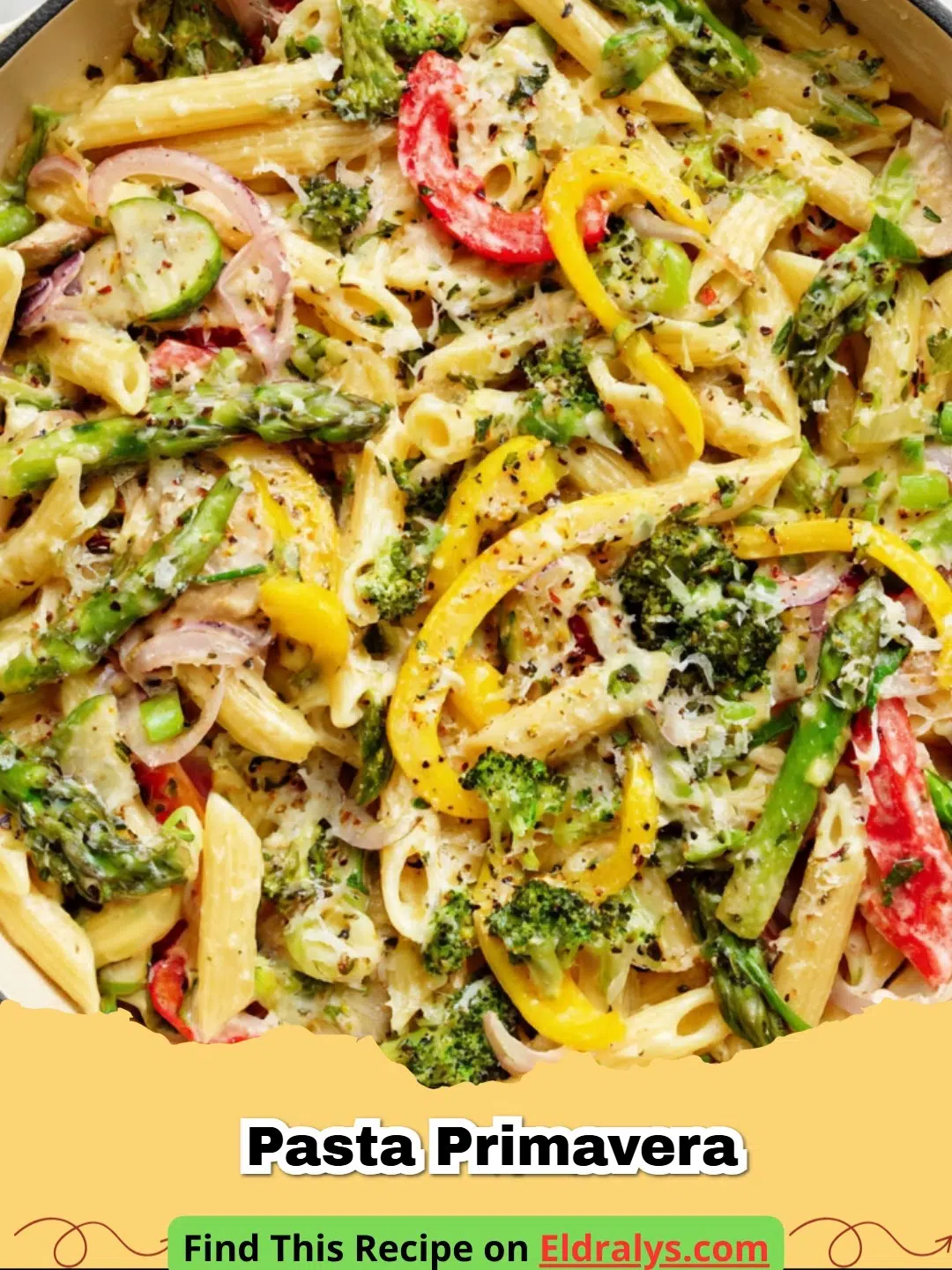
Pasta Primavera is a culinary masterpiece that essentially captures the very essence of a blooming garden on a single plate. When you first set eyes on this dish, the explosion of colors—vibrant greens, sunny yellows, and deep reds—immediately tells your brain that something fresh, healthy, and soulful is about to happen. This dish isn't just a meal; it's an experience that celebrates the transition of seasons, making it one of the most beloved vegetarian-friendly recipes in the Italian-American repertoire.
Born in the high-end kitchens of New York in the 1970s, the legacy of Pasta Primavera has evolved from a decadent, cream-laden indulgence into a more versatile, produce-forward staple. Whether you are using the crisp asparagus of early April or the sun-ripened zucchini of late August, this recipe provides a framework for excellence. It is the perfect bridge between a light salad and a heavy pasta bake, providing satisfaction without the post-meal slump.
Crafting the perfect Pasta Primavera requires a balance of textures. You want the snap of the carrot, the silkiness of the squash, and the al dente bite of the pasta to coexist in every forkful. This guide will walk you through the nuances of vegetable selection, the secret to a sauce that coats rather than drowns, and the tiny details that transform a simple vegetable pasta into a magical kitchen triumph. If you're looking for other pasta inspirations, you might also enjoy the The Ultimate Zesty Mediterranean Pasta Salad Recipe for Every Occasion for your next outdoor gathering.
Why You’ll Love This Pasta Primavera
You will absolutely adore this Pasta Primavera because it offers a level of customization that few other recipes can match. It is a 'refrigerator-clearing' hero, allowing you to utilize whatever seasonal gems you have on hand. Beyond its practicality, it is incredibly visually appealing, making it a showstopper for dinner parties where you want to impress without spending hours over a hot stove.
The combination of garlic-infused olive oil, a touch of lemon zest, and a sprinkle of high-quality Parmesan cheese creates a flavor profile that is both bright and comforting. Unlike heavy meat sauces that take hours to simmer, Pasta Primavera comes together in under thirty minutes, making it a weeknight savior for busy families. It’s a dish that feels like a warm hug but tastes like a fresh breeze. For a simpler variation with a citrusy kick, don't miss our Quick and Vibrant Easy Lemon Garlic Pasta.
The Essential Ingredients
To create a truly authentic Pasta Primavera, you need a diverse array of vegetables. Think of your pan as a canvas and your vegetables as the paint. We recommend a mix of bell peppers, carrots, zucchini, yellow squash, and broccoli florets. The sweetness of cherry tomatoes provides the necessary acidity, while a handful of frozen or fresh peas adds a pop of bright green color and earthy sweetness.
Ingredient Notes and Substitutions
While we use penne pasta for its ability to hold the smaller vegetable pieces, you can easily substitute with farfalle (bowtie) or fusilli. If you prefer long noodles, linguine is the traditional choice for Pasta Primavera. For the vegetables, if you aren't a fan of broccoli, try using snap peas or sliced asparagus. If you want a vegan version, simply omit the Parmesan or use a nutritional yeast-based substitute and ensure your pasta is egg-free.
Equipment Needed
You will need a large pot for boiling the pasta, a high-quality colander for draining, and a wide skillet or sauté pan to toss the vegetables and sauce. A microplane is also helpful for zesting the lemon and finely grating the cheese. For those serious about their prep work, a Quality Chef's Knife is essential for achieving the uniform vegetable slices that ensure even cooking.
Instructions: Step-by-Step Culinary Magic
- Cook your choice of pasta in a large pot of salted boiling water according to the package directions until al dente. Reserve at least one cup of pasta water before draining.
- In a large skillet, heat two tablespoons of olive oil over medium-high heat. Add the sliced carrots and broccoli first, as they take the longest to soften, and sauté for about 3 minutes.
- Add the zucchini, yellow squash, and bell peppers to the pan. Sauté for another 4 to 5 minutes until the vegetables are tender-crisp. You want them to retain their vibrant color and a slight snap.
- Stir in the minced garlic and halved cherry tomatoes. Cook for 2 minutes until the garlic is fragrant and the tomatoes just begin to soften and release their juices.
- Add the cooked pasta and the peas directly into the skillet with the vegetables. Reduce the heat to low.
- Pour in a half cup of the reserved pasta water, the lemon zest, lemon juice, and the grated Parmesan cheese. Toss everything together vigorously to create a light, emulsified sauce.
- Season with salt, black pepper, and a pinch of red pepper flakes. If the pasta seems too dry, add a bit more pasta water until you reach your desired consistency.
- Garnish with a generous handful of fresh torn basil and an extra drizzle of extra virgin olive oil before serving.
Pro Tips for the Perfect Pasta Primavera
One of the biggest mistakes in making Pasta Primavera is overcooking the vegetables. To avoid a mushy mess, always add your vegetables in stages based on their density. Carrots and broccoli go in first, while delicate items like peas and tomatoes go in last. Another secret is the use of 'pasta water magic.' The starchy water helps bind the oil and cheese together, creating a silky sauce that clings to the pasta without the need for heavy cream. Always zest your lemon directly over the pan to catch all the aromatic oils, and never use pre-grated cheese from a can; fresh Parmesan makes all the difference in the world according to culinary history.
Serving, Storage & Variations
Serve your Pasta Primavera in wide, shallow bowls to showcase the beautiful array of vegetables. A side of crusty garlic bread is the perfect companion for soaking up any leftover lemon-garlic oil. For a protein boost, top the dish with grilled shrimp, sliced chicken breast, or even a dollop of fresh ricotta cheese.
If you have leftovers, store them in an airtight container in the refrigerator. This dish keeps well for up to three days, though the pasta will continue to absorb the sauce. When reheating, a splash of water and a quick toss in a pan over medium heat will bring the flavors back to life. Avoid freezing this dish, as the vegetables will lose their signature texture upon thawing.
Nutrition Information
| Nutrient | Amount |
| Calories | 385 kcal |
| Protein | 14g |
| Carbohydrates | 52g |
| Fat | 16g |
| Fiber | 6g |
| Sodium | 410mg |
Note: The nutritional information provided above is an estimate based on standard ingredients and may vary depending on the specific brands and vegetable ratios used.


Conclusion
This Pasta Primavera recipe is a testament to the idea that simple ingredients, when treated with respect and care, can result in a truly extraordinary meal. By focusing on fresh produce and proper technique, you can bring a touch of restaurant-quality magic to your home kitchen. We hope this dish brings as much joy to your table as it has to ours. Happy cooking, and may your kitchen always be filled with the bright, beautiful colors of the season!
FAQs
What vegetables are best for Pasta Primavera?
The best vegetables for Pasta Primavera include spring favorites like asparagus, peas, and carrots, as well as summer staples like zucchini, yellow squash, and bell peppers. The key is to use whatever is freshest in the market for the best flavor and texture.
Is Pasta Primavera traditionally made with a cream sauce?
The original recipe popularized at Le Cirque in New York City featured a rich, creamy sauce made with heavy cream, butter, and Parmesan. However, many modern versions, including this one, allow for a lighter touch by using pasta water and olive oil to emulsify the cheese.
Can I use frozen vegetables for this recipe?
While fresh vegetables are highly recommended for the best texture and 'snap,' you can use frozen peas or corn if necessary. Avoid frozen versions of softer vegetables like zucchini or squash, as they can become mushy when thawed.
How do I store leftovers without the pasta drying out?
Store leftover Pasta Primavera in an airtight container for up to 3 days. When reheating, add a splash of water or vegetable broth and a drizzle of olive oil to help revive the sauce and keep the pasta moist.

Classic Vibrant Pasta Primavera
- Total Time: 30 minutes
- Yield: 4 servings 1x
- Diet: Vegetarian
Description
A light and colorful Italian-American pasta dish loaded with fresh seasonal vegetables, garlic, lemon, and Parmesan.
Ingredients
12 oz penne or farfalle pasta
2 cups broccoli florets
2 large carrots, peeled and sliced into rounds
1 medium zucchini, halved and sliced
1 yellow squash, halved and sliced
1 red bell pepper, thinly sliced
1 cup cherry tomatoes, halved
1/2 cup frozen peas, thawed
4 cloves garlic, minced
3 tbsp extra virgin olive oil
1/2 cup grated Parmesan cheese
1 tbsp lemon zest
2 tbsp fresh lemon juice
1/4 cup fresh basil leaves, torn
Salt and black pepper to taste
1/2 tsp red pepper flakes (optional)
Instructions
Step 1: Boil the pasta in a large pot of salted water until al dente. Reserve 1 cup of pasta water and drain the rest.
Step 2: Heat olive oil in a large skillet over medium-high heat. Add carrots and broccoli; sauté for 3 minutes.
Step 3: Add zucchini, yellow squash, and bell peppers. Continue to sauté for 4-5 minutes until tender-crisp.
Step 4: Stir in garlic and cherry tomatoes, cooking for 2 minutes until the garlic is golden.
Step 5: Toss in the cooked pasta and peas. Lower heat to medium-low.
Step 6: Add 1/2 cup reserved pasta water, Parmesan, lemon zest, and lemon juice. Toss vigorously until a light sauce forms.
Step 7: Season with salt, pepper, and red pepper flakes. Garnish with fresh basil and serve immediately.
Notes
Always use fresh Parmesan and reserve your pasta water to ensure a silky, restaurant-style sauce without heavy cream.
- Prep Time: 15 minutes
- Cook Time: 15 minutes
- Category: Main Course
- Method: Sautéing
- Cuisine: Italian-American
Nutrition
- Serving Size: 1.5 cups
- Calories: 385 kcal
- Sugar: 5g
- Sodium: 410mg
- Fat: 16g
- Saturated Fat: 4g
- Unsaturated Fat: 10g
- Trans Fat: 0g
- Carbohydrates: 52g
- Fiber: 6g
- Protein: 14g
- Cholesterol: 15mg



Leave a Reply